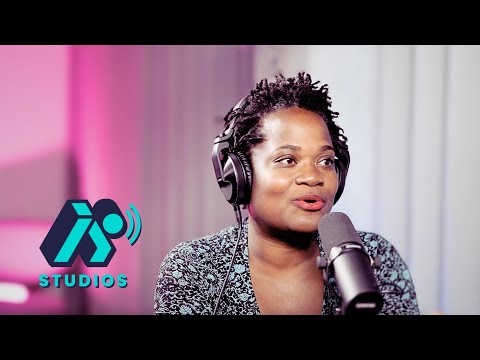
Chike Aguh: People and AI can collaborate to solve problems
Bring AI readiness to schools across the country
Free curriculum, tools, and professional development for K-12 educators.
What does the future of work and education look like when AI can accomplish in a few months what electricity took 80 years to achieve?
Chike Aguh (senior advisor at Harvard’s @projectonworkforce and former Chief Innovation Office at the U.S. Dept. of Labor) takes us through technological revolutions of the past and present, highlighting what makes generative AI fundamentally different – namely, its unprecedented speed of deployment and the fact that even its creators cannot fully predict its capabilities.
Drawing from his experience as a 2nd grade teacher in New York, Chike offers practical visions of how AI can transform education not by replacing teachers, but by creating more space for students to develop "timeless skills" like leadership, collaboration, and conflict resolution that cannot be learned from books alone. Such skills (unlike the technical "just-in-time skills" that AI is starting to effectively handle) are developed through practice, coaching, and real-world experience.
Chike also says that our AI future isn’t predetermined. With demographic trends pointing toward a shrinking workforce, he argues we’ll need "all the people and all the AI" working together. But that requires intentional decisions about how we deploy these technologies. Educators play a crucial role in this process – not necessarily as technical experts, but as guides helping students develop frameworks for using AI tools purposefully and ethically.
Want to understand how to prepare yourself or your students for an AI-transformed world? Listen as Chike offers specific, actionable guidance for educators and parents who are navigating this uncharted territory alongside their students.
Learn more about Chike and the Project on Workforce:
- 0:00Introduction to Chike Aguh
- 10:45Technology throughout history
- 20:12How AI differs from previous technologies
- 35:14Practical examples of teaching with AI
- 46:05The future of work and education
- 1:01:06Developing ’timeless skills’ for the AI era
- 1:14:26All of us play a role in determining how to use AI
So yeah, here we are. Thank you for joining. I’m Alex Kotran.
I’m the co-founder and CEO of aiEDU. We’re here with the the the popup aiEDU Studios in Washington DC. I’m here with Chik Yaga.
Chica, you have a lot of different roles and and and titles. I’m going to let you introduce yourself and tell us more about exactly what you’re doing now and sort of I don’t know how many hats you’re wearing at this particular moment, but I know you’re you’re a juggler of hats. With that, Chica, can you just yeah, tell us more about who you are, where what are you up to now, and anything you want to share about sort of like your journey to to getting there?
Sure. Currently, I serve as senior adviser at, the project on workforce at Harvard University. Were a research project focused on these big questions around technology, the future of work, and how it impacts education.
We’re based across the Harvard Business School, the Harvard Kenny School of Government, and the Harvard Graduate School of Education. I also serve as a senior adviser at Accenture. It’s one of the biggest technology and services firms in the world on future of work and innovation.
And then lastly, I’m a senior adviser actually where we first met at the Mcrist Group, which really works with organizations on frankly how they manage their people particularly in times of change and tumult. And then a a bunch of other roles that where I get to spend time previous to that from 2021 day one of the Biden administration to mid2023 I served as the chief innovation officer at the US Department of Labor where I worked for at that time Secretary Marty Walsh and then after that Secretary Julie Sue would think about how many have there been chief innovation officers at there was one other who was a dear friend he was the first I was the second and was that in the Obama administration. Yes.
Okay. The role was unfilled in the Trump administration and then was brought back with me during the Biden administration. And so when I think about this work and kind of what brought me to it, I I’ll go back a little bit in time.
I think I’ll talk about kind of why I care, why how I’ve approached it and maybe some things I think that I’ve learned that inform how I come to this discussion. So in many ways, I say my family is a very classic immigrant story to this country. My family is from a village in Nigeria that most Nigerians themselves will never see and never visit.
My none of my grandparents, all of whom were from the same exact village. None of them went past middle school. My parents were born on streets that were unpaved then that are mostly unpaved now.
They had Peacecore volunteers in their classrooms. And what changed life for them was in the mid70s, early 80s, they got a chance to come to the United States of of of America for higher education, public higher education. And they had actually meant to go back and at that time there was a change in government violent change in government in the country and that was not an option and so they stayed here in the United States of America and I am the first person in the entire history of my family born in America.
And I got the chance to serve an American president and so what I take from that is in many ways the small example of my family is what happens when America gets it economically right. I think we also know by the data we don’t get it right with enough people in enough places enough of the time. And I’ve tried to kind of devote myself to that prospect.
And I think one of the the theories of action that I’ve always had is that the right type of education and the right type of economic opportunity leads to generational change in families and and I think in the life of countries. And so that’s kind of been my theory of change throughout my career. I think I started off and I know you have you have teachers and superintendents listening.
I started my career in the in the New York City public schools initially as a policy maker and then as a teacher in that system god almost now 20 years ago and from there after graduate school really went through the public private and social sectors trying to work on these questions. So in the private sector, places like the advisory board company which works with higher education with the Mcrist group really with General Mcrist as he came out of the military trying to apply these lessons to large organizations private mainly but also now starting to be public sector and nonprofits in the nonprofit space was CEO of the of of an of a nonprofit called everyone on focused on closing the broadband gap particularly for families with kids. We connected about half million people in 48 states to the to the internet during the time that I let there and they’ve and they are now getting towards 800,000 people across the country.
Also went to a place called the education design lab where I helped launch their community college growth engine fund during this during the pandemic. Really trying to work with community colleges to help upskill reskill folks who either lost their jobs during COVID or frankly were probably underemployed before COVID. And we can talk about higher education, what’s been the impact of that of of AI as well as just kind of the economic times that we’ve been in.
And then also in government, you know, served in the Bloomberg administration in New York City. I served under Governor Patrick’s Secretary of Education when I was a graduate student and then served in the B administration as I’ve talked about. And so the other theory of action that I have is this problem or any problem worth solving and pick your problem from economic competitiveness to climate change to nuclear non-prololiferation.
No one person, organization or sector can solve the problem by itself. You need people and actors across sectors working in concert to solve these big these big problems. And so those are some of the lessons I think that I’ve learned as I’ve approached this work.
And I’m glad we’re having this conversation because I don’t know if there’s a more important one right now in terms of what do we make of this technology and frankly how do we use this technology to solve some of the problems that we have and then frankly how do we also mitigate some of the problems that this technology may create and do it all at the same time and again you know I I I met you when when when you were initially conceiving of of this project and we have to start this thinking frankly there is no time that’s too to have this conversation with with adults and definitely not with students and so and so I’m glad to have this conversation particularly with with you is thinking about this frankly people at the beginning of their journey. Yeah, I think it’s I because I actually am literally I remember exactly where we sat at the Mcristo group’s office in Alexandria about seven years ago almost probably. Yeah, that was OG like right at the beginning.
And and I remember that there’s like almost an immediate resonance as I was sort of talking about the problem statement because you had seen this in, you know, sort of an earlier wave of innovation around sort of the internet. And I’m really interested in what the parallels might look like because I when I when I I I think one of the biggest challenges with artificial intelligence is very hard for people to grasp to wrap their heads around like what does this actually mean? How is this going to impact me?
They’ve maybe they’ve used chat GBT but the the amount of noise and even just like Deep Seek being an example of sort of one of the flavors of the day like this like dominating media headlines I think it’s very hard for someone who isn’t extremely deep into the rabbit hole to to kind of come up with some actionable steps like what am I supposed to become an AI engineer am I supposed to master prompt engineering like there’s a lot of parents who might be watching this who are you know their kids might be you know three 5 11 and they’re thinking you know their first job might be over a decade away. Sure. It’s very hard to to sort of predict what what might come.
I when when you think back to the work sort of like the way the internet changed education you were in New York City public schools as presumably they were starting to get you know widespread access to computers. I don’t even know if students even all had access to computers back then. Are are there any similarities to the way that they were thinking about let’s say the internet or computing in terms of how we’re talking about artificial intelligence?
The way I think about this question is I think about there are lessons from history that we can learn about how technology has rolled out and affected education and society overall. Whenever you look at history, you have to basically always ask the question, what is the same and what is different? Because you know not looking at history at all is always fraught because there are lessons there also assuming that the future looks like the past is also fraught and so being able to look at history and looking at it nuanced and so this challenge of technology as a society and and normally I wouldn’t go this deep but we having a long conversation so let’s have the long conversation you let’s go all the way back to the steam engine let’s go all the back to the telegraph to to telefanany to electricity to kind of beginning widescale automation in probably the late the late 1880s going into the 20th century.
Let’s go into at that at the the application of commercial computing. Initially back in the 50s60s and 70s computing was not a consumer activity. It was done by universities and corporations.
And then of course in the 80s with the Apple 2 at home and then when I was 12 13 you know that initially Netscape y then AOL and that’s and for those of you who are too young you don’t remember a bunch of the the all these other search engines hotbot as jeves so on so forth and so so I say all this to say the this kind of widespread application of technology that kind of strikes like a meteorite and affects everything has happened to us repeatedly throughout American and human history. Think about the impact of of the printing press way back when. So and then society has to figure out how do we use this?
How do we not go back to the printing press? One of the big objections to the printing press way back when was that you have now made information available to everyone and society is not ready for it. The only people who should have access to all this widespread information are the clergy and no and and nobility.
One can argue we have a frankly a large conversation about this now with social media technologies. There is information everywhere. No moderation of it by the way.
So on so forth and we have the same similar debates. Again I argue that they’re different in in some ways. One can argue in the 1400s it was a little more about control.
I think today we worry about people yelling fire in a global way which happens I feel like every single second. But we have to look at what is the same and what is different. So I think so I think that’s one and I don’t mean to start so globally but I think it’s really important.
I think two what is the same and what is different. There are two things that I look at that are the same and different and and I’ll and I’ll talk about this a little bit was and I’ll we some of my personal experiences is one the speed. So if you look at take electricity electricity at home electricity it took ChatGPT a num a number of months to reach the level of adoption that it took electricity 80 years that is a level of speed of deployment that we have never seen.
If you look at the internet the internet basically took about 12 years 12 13 years to reach 80% of the American population. It took electricity 80 years to reach that. So the speed that these technologies are being deployed is really really it’s different and that is I think part of why it seems so disorienting.
We’re used to having more time. Even the internet I I mean I remember this as a kid and we didn’t have these types of conversations now that we’re having now then. I kind of wish we had I wish we had the same types of conversations about social media back in the mid200s that we’re having now about about AI.
So to speak. The second thing is this is one of the first technologies the first technology that I can think of where so I used to when I used to work at the advisory board we used to sell SAS tools we I was a product manager so literally I would work with techn with sales teams I would work with engineering teams to figure out what this thing should look like. So when I went to go sell something, I knew what it could do and my job was to convince you that it could do what I told you and then we’d build it for you and it would hopefully do that thing.
Generative AI and by the way that is the new part of AI. AI has been with us and before that machine learning for 15 to 20 years you know for example if you look at bank loans no no human being has made a decision about whether you get a loan or not in more than 15 years has been done by a multivariate regression machine learning tool the new part is the generative so if you look at generative AI and there’s a great article in Wired magazine and it talks about the development of like Microsoft co-pilot and it gives this great example in the and and for those you so Microsoft copilot is is effectively the OpenAI powered AI tool within Microsoft Word that where you can ask it questions and it gives you answers or it gives you or it can generate you an image or a video or something like that. So, someone had a document and they asked their co-pilot, "Please summarize this document and and the AI produced a summary." And then they asked the question differently and they said, "Hey, as a friend, could you really do a careful job creating a summary of this document?
It would be so important to me if you could." And they got a different product. And the people who made it can’t tell you why. And was it better?
I don’t remember, but it was different. Interesting. Okay.
And the question is why? Why would an em almost an emotional peer-like plea to a machine produce a different product? I don’t know the answer.
And so the and so the thing here is that the people who built it don’t totally know what it all does. In fact, that’s why they did so much beta testing beforehand. They would give it to companies, say, "Hey, just try it out and tell us what what happens." this is new.
Generally, when a new technology has come about, not to say that we always know how it’s going to be used, but we know its limits. We know its extent. This is different and in some ways is why the work that you’re doing is so important because it requires frankly more creativity, more agility, more practice than other technologies that we have used in past.
What the the thing that I think the most about is less my time as a teacher. Just to be candid I think during the time that I was teaching I don’t know if we were teaching in much of a different form factor than they taught in 19 in the 1920s. We we used a lot of white we used I used to say we instead of using blackboards we use whiteboards and smartboards but one can argue the form factor of instruction was the same students listened teachers talked I think we had a great classroom but I think I don’t I think we were at the very beginning if even then of what can how can education look different the work that s has been doing for more than 10 years at this point and many other unnamed heroic educators are thinking through how can this be different to fit the the the the modern age.
I think about my time as the CEO of everyone on one of the biggest projects that we were engaged in was sprint to basically deploy tablets and wireless internet to underserved schools across the country. We probably deploy was this this was this would been the year 2015 to 2018. Okay.
And we would say a lot you know hey this is critical if you don’t give kids access to broadband and a device you don’t have access to education. And then then the pandemic happened and then everyone understood very painfully. The biggest thing that I remember was going in the classrooms and you generally see a bell curve.
You would generally see there were some teachers and families who didn’t know how to use it, didn’t want to use it, was it was too new. That was a minority. Then you had a majority who were using these in the same way they had used everything.
And effectively again instead of reading a book, I’m reading a tablet. And then you had a small collection of folks called two standard deviations above who were reimagining how how do I help students get this information and get not just information this learning because what they also intuitively realized is the information is actually commoditized because effectively whether it was Google then or OpenAI or Claude or Gemini now the information is at my fingertips. The question is, can I reason?
Can I take that and use it in ways that are novel or and can I sense make? Can I see all this disperate information, whether it be an AI, you know, a hallucination or a deep fake on social media and say, "Okay, there’s a kernel of truth there, but the rest of this is nonsense." actually, that’s actually fairly correct. I disagree with that thing.
That I think in a microcosm is a challenge that we see which is how do we not take the same tech take new technology and use it in the exact same way as we use the old technology but and maybe we get incremental gains in efficiency but not these quantum leaps in impact and and and achievement. I think we’re beginning to see that now because what you have on the regenerative side is so for example I think about when I was a teacher I thought second grade the amount of time I spent prepping my lessons and not doing anything crazy but making worksheets fig trying to find you know we we had I think we had we didn’t have a smartboard I had a projector and a speaker so I could project things finding the right video at that time this is in 2006 YouTube is still a fairly nent platform with nowhere near as much content if I had had ChatGPT then I could have cut that time in in half to by half or 2/3 in terms of preparation for my student I could have used that time actually more with my students so I think what’s really interesting I think the first impact is how does this not actually impact the student but how does it impact the educator yes and how can they do their work better and differently and just b they’re basically just just efficiency gain Then there is the and if you make the assumption that everyone has a device, everyone has internet. Okay, now I can reimagine how I do this.
For example, in math class, if we were asking kids a question, and we wanted, all right, all right, what’s four* 2? We give them all whiteboards and they would write with their marker and they put it up and I could see really quickly. But I never recorded that.
If I had a device and I could do a version of that and then actually record those responses in real time is going to be on the same platform. And so on so forth. That’s data that I that’s that’s what what what we would call formative assessment data that I could use to actually get a real-time kind of understanding check or I could say god I remember we did like I I taught social studies as well and I remember we had to like do like basically what we call I for I don’t want to say like ge yoga location basically it’s the teaching a seven-year-old that you live in a neighborhood in a in a state, in a country, in a world.
Do you have Google maps or nent at at that time, but less the geography, but more so like that concept? Yeah. That you live in this thing that you can see, and then there’s this bigger entity that you’re also a part of that you can’t totally see.
And then of course now getting to to this. And so we as we had them like make a country. So like, hey, we’re you’re going to get to make your own country.
And so I remember like and they and the kids love this. They love this. They got to make a flag.
They make it whatever you want. And of course they did it with crayons and stuff and and and what I would have loved to do is cuz cuz I put them in groups and they had to agree on what the flag, you know, look like. So getting five seven-year-olds to agree on what their flag should look like.
Challenging. Usually one kid just grabs grabs the crayon. It goes from there.
But I what I would have done was I would have said each of you on your tablet with chatbt make your own flag. And then I basically would have brought this all together for each group and say chat GBT combine these into one coherent flag. And I would have gotten something that either would have been awesome or an absolute mess, but it was their flag.
So, these are these just small examples of how I would have used this differently as a teacher to to change how I taught. I had another friend, he he was a math teacher. Actually, he still teaches this very day.
He’s almost 20 years. And he turned his class on its head. So when so in most classes you walk in, they tell you what you’re about to learn and then they show you how to how to do it.
You try it yourself, you screw up the first time, and then you work it out together and hopefully by the end you you get it. He did the exact opposite. He would put a problem on the board that the students had not seen.
He had not taught them the background. They would walk in and he would say, "Solve that problem. You have 15 minutes." And the kids would just get together and try and figure it out.
And what invariably happened was like one or two kids kind of got it. Most struggled and then they would walk through okay what is it what are you missing here what don’t you understand and then from there he would back into the concept and then so and and then so on so forth unbelievably powerful had some of the highest mass scores in a school in the state he was doing that in 2006 and I think about what he could have done with tools like this to turbocharge that and if and if anything go even faster and better so that’s how I think about how this strikes in schools but one we’ve been here for what’s different is the speed and what’s different here is the the the impact on the on the the helpers and I think our challenge is how to use this to do this not just the same that I did before but faster but actually in an entirely different way that gets you quantum leaps not incremental leaps. Yeah, this is I my my producer’s in the room and I’m kind of I’m grinning because it’s such a validation of this format.
Sure. Because I abs this is absolutely the the level of depth that you know I don’t think we get to when I like when I think about the primary way that thought leadership happens in in my space at least you know K-12 education leadership it’s it’s panels at conferences. Sure.
Maybe a fireside chat at a round table. Sure. And even then it’s it’s I’ve done many.
You’ve done many and you know like for for various reasons you you you often will have like five or six panelists so you’re getting 10 minutes of time just enough time for somebody to be able to give you you know their headlines I think this is really what teachers need to hear because what you’ve actually described to me is sort of in the abstract precisely how we envision you know the future of education with AI everything you’ve described none of this is like AI is going to automate or replace the role of the teacher or like supercharge and and allow teachers to like you know completely skip all this work that they’re doing like what you’re actually describing is you know still very teacherentric I think you’re talking about this as you know efficiency that creates more space for the teacher to do what they do best which is actually like you know not just knowledge transfer but skills development durable skills development and and that’s why we you know when when when we look at and we were asked you know like how can I use chat GBT to do XYZ in the classroom or how like what are the prompts that I should learn as a teacher so I can do a better job teaching we really try to push you know push back from like don’t think too much about the prompts themselves like think about what your ultimate end goal is and some of the things you describe to think is what we would describe as those end goals is like okay how do you encourage more student collaboration you described an example of where chat GBT is a tool not the only tool you could the the the the flag activity you described could absolutely work without students having access to JGBT JBT could make it faster maybe more interesting and maybe a level of depth maybe they’re not just creating a flag maybe they’re also creating sort of like the the constitution and the charter and like there’s there’s a the work product might change the process is still is still the same and and I’m sure you saw this in New York City public schools we work we’ve worked in New York City public schools we also work in some you Prince George’s County actually just down the street. These really large districts, the teachers are brilliant. They just don’t have the bandwidth, you know.
So you go in, you say, "Oh, we need more project based learning. We need to build critical thinking skills." And these poor teachers are like, "I’m bought in. You don’t need to convince me." We’ve done surveys of teachers.
Like 95 plus% of teachers agree critical thinking, communication, right? When and also I’m not measured as a teacher on whether my students are building collaboration skills. I’m not me measured as a teacher on, you know, critical thinking skills specifically.
Now there are certain standards that you might argue connect and that’s what we try to do is actually say okay look we can’t change the standards you know as quickly as we’d like to we have in some states but you can actually like a lot of the stuff that that that you’re describing there are some connection points to what teachers are already having to do and so anyways this is just a just a tip of the hat to what you just described. I want to I want to talk more about education. I do want to go back to this journey through history that you you know you went as far back as the 15th century.
I hadn’t really thought of the printing press and sort of like my narrative of this, but I I love that. I’ve really thought about the first industrial revolution, you know, the loom, the steam engine. Sure.
And I you talked about you know the telegraph. And it is interesting you know I I I don’t I obviously didn’t I wasn’t around in those times. I was around I remember the first time I used a computer.
I remember the first time I had access to the internet. The first time I printed a Dragon Ball Z photo and it was the wildest thing that I could take something that was virtual and just like a physical manifestation that I taped in my bedroom. I certainly as a child, my parents, my teachers, there was never really this meta conversation about this moment that we’re in.
Nope. And it feels different now. And I wonder if that’s just because we’ve had a lot of revs or or the velocity, but but I am kind of curious like what what do you see as the reason that now society is there there seems to be a lot more self-awareness about like this is going to impact a lot of things.
We don’t even know exactly what it looks like. There’s a lot of, you know, even just this this this there’s a steering committee that I’m a part of and and we were we were thinking so these big picture questions about like how is AI going to change? Will a AI dramatically transform education, you know, in the next five years?
And and I was I’m just reflecting now that I I I wonder if those questions were asked No, they were not educational. The answer is that they were not that I can answer that for you. The the answer is no. a couple reasons.
One, and actually someone brought this up at another conference that I was at and and it was it was actually a powerful point. One, this is the first transformative technology of this sort that did not come from some initial research from the government. If you think about every other one of these technologies, maybe sort of the printing press, maybe the steam engine, but I would even say there I can find you a piece of government.
The internet obviously, telefan obviously because, that that came out of Bell Labs, which is part of AT&T, which was a government sanctioned monopoly. Radar which one can argue is the most important invention of World War II after the atom bomb fight everything came out of government. So there was some visibility by somebody.
I was in government when chat chip hit and we all were like what is this that is that to say in government as an institution is oriented towards longer term thinking or no I would say for some of these other technologies people were surprised when they came out or dazzled but there was a bigger collection of societ of society that was aware it was coming caught everyone one and again as someone who sat in government again people in government were not surprised by the internet that the internet folks been working on the internet since the the early 80s late 70s no one was surprised by computers we’ve been working on computers since World War II with you know the Turing machine and things like that so number one this truly came out of nowhere or so it seemed even though you know you know OpenAI has been around since since 2014 so I think that’s one I think two its capability shocked a lot of people and again think early ChatGPT got a lot of stuff wrong produced things that were unusual but it was doing things that you know I’m as a kid I watched Star Trek I love Star Trek I watched every I’ve watched every episode of the original Star Trek Next Generation Star Trek Deep Space 9 Star Trek Voyager literally every single episode these are things that in a science fiction show they would ask the computer to do and it did and we thought this was h that’s crazy science but it’s doing it imperfectly but getting better so on So, so that’s number two. And then I think three, the generative piece, the ability to the same way when you printed something for the first time, that that that was a big deal for you. The fact that I could say, make me something that looks make me a cat wearing an orange hat, you know, doing ballet in the street and it could make that, you know, pick or pick Gemini.
So, like that that was astounding. Something that was something that we did not think was possible. You know and and even for and I would say the other thing is lots of companies are doing generative AI but the fact that it came from not Google not Microsoft per se but it came from not written not yeah you know not at first that also shocked a lot of people the fact that Google from everything I read was caught a little bit flatfooted on on that score and by the way it’s also why people didn’t know if this had come out of Google there’s no way someone in shop like I used to have would not know why I used to talk to Google all the time most governments a company of that size.
The fact that this came from OpenAI, which people were aware of, but that but not to the same extent just again made it, you know, really surprising, but because it could do it came so fast, it seemed to come out of nowhere and it could do things that we previous thought weren’t possible. And the last thing going to the last point of so when they would go to to OpenAI and say, "Hey, so tell me what this thing does." They’re like, I can’t totally tell you the what eight I mean the model I mean the the new model has what 8 billion parameters. Wow.
Yeah. So the issue is like tell me what it does. I don’t totally know.
Y and that is and now as we get into the into the age of agents you know I’m hearing 2025 be the age of the AI agent. There are things that are exciting and things that are disconcerting about that because I don’t know what it can do. The internet I knew I I knew what it could do.
Social media, I know what it can do. I didn’t think about all the applications, but I know what it can do. But this I actually don’t know.
And that is I think partially why I’m glad we’re having this conversation. And the other thing I’ll say is and and this is a credit I give to President Biden. I think he got he and a number of other public policy leaders on both sides of the aisle actually were like, "Oh, we actually this is not simply the province of the private sector.
This is actually a thing that’s important to the entire American society. And so, you know, I was there when President Biden put out his executive order on AI. We’ve had a number of governors do the same thing.
Number of senators who are trying to get toward what AI regulation should look like. I know there’s debate about whether that should exist or not, but I think it was the first technology that I have seen where at the inception public policy leaders said, "No, we actually this is not just about what these companies are doing. It’s not just for them to figure it out.
We’re not going to and and I think that’s partially came from the fact that was there have been a bunch of other technologies that we kind of just let go and it led to some place that we are we probably don’t totally feel great about today. Social media is the one that kind of pops to mind the most. And so I think that’s partially why we’re in a different conversation than we’ve been in in past.
Can I tell you we’ll totally end up in the place it should? I can’t. But god I wish we had had this on social media in 2008.
I wish we had this conversation about the internet in the mid ’9s or any of these of these other technologies that that that were as transformative. Yeah. I wonder so social media is interesting because it’s you almost start to get to a this divergence from you know if you if you think about maybe the printing press is a bad example because there actually was quite a lot of disruption to the status quo.
But electricity, cars, a telegraph, you know, computers, the early internet, I think the the the innovation was sort of directly coupled with progress with benefits to society. Social media was I think maybe that first time that we started to see sort of very I mean there’s obviously a lot of like broad externalities, right? We think about like you know global warming and sort of but but you know in terms of this tangible sense of like wow this you know gamechanging technology that had so much promise you know also had all these sort of like externalities that we hadn’t predicted.
It was very tightly coupled. It happened within a matter of let’s say 5 to 10 years. And so I I wonder if that proximity to, you know, the everybody sort of looking at all the brain rot and, you know, Tik Tok and Instagram reels and, you know, increasing rates of, you know, childhood depression and self harm and suicide rates and there, you know, even before AI, people were starting to feel like I don’t know if techn if social media necessarily made our lives better.
It changed the way we consume media. Sure. And then AI comes around and I almost think we were kind of like oriented towards this kind of like a little bit more of a skepticism about just because we have this technology, is it really going to live up to the promise?
Cuz social media when we were when you were launching and when we when you were launching your work at at Always On, this was like 2015. I mean, that was was kind of the heyday for like almost like the peak of a lot of those companies. I would I would say that from a valuation point of view, from a social regard point of view, I think your point on that there’s this kind of very tangible harm.
Now if we go back, I mean we can take and again I come from the department of labor. So I think about some of these so if you think about automation more broadly you know the reason that we have OSHA is there’s a famous fire in New York City called the triangle fire. It was a garment factory.
I want say on the Lower East Side and effectively they it was they were basically they were basically making garments and they kept flammable stuff too near other stuff and there was an enormous fire and because we didn’t have worker rights legislation they would actually lock the doors on the workers during the day so they couldn’t leave. So this fire happens and literally I mean you can read description of this literally you see frankly you know burning women jumping out of third floor windows to try and get out. And so we had to have a conversation on this automated factory thing that we have which has produced all these goods that we all love.
Shoot there are people who are being exploited and who are suffering. When we think about the thing that I think this technology the harm that people are worried about are a couple. One, people think about the de the de-industrialization of the 1970s where when factories all over this country, whether it be in in, you know, my home state around, you know, Bethlehem Steel used to have to have a site right north, right west of Baltimore City, which is not there anymore, now a huge industrial park because Beth Steel is not around.
That that would come back and increase. I think secondly, call it a we’ll call it a 1A. The people who would be affected by that are different and more widespread.
Than are used to. So if you look at it, what’s interesting and that says a lot about AI, AI generally when we’ve had technology, you think about the people who are quote unquote harmed or who lose, it’s generally people who are doing routine work or work that you do with your strength, generally will be generally low paid work. What’s really interesting is that AI is actually not good at simulating that.
Reason why self-driving cars are not on the road yet is because it’s actually really hard for for a car to get all those movements right and then also at the hand eye coordination to know that’s a squirrel versus that’s a human so on so forth. What AI is really good at generative AI reading and writing. Y and the people who do Yeah.
And the people who do that for a living are under a threat they’ve never been under before. You know, I just made a website and I did not hire one. I I I had Chad GPT make the mockups then I asked it to I just I went to see if I could do it.
Produce me all the backend code and it did and that’s it. I’ve heard nonpr a lot of nonprofits doing the exact same thing. And so this is a this is what’s different.
So it’s not only that it’s creating harm, it’s creating for a harm for people who aren’t used to being on the receiving end of harm. The people the thought leadership class as it were the people who are actually in a place to drive these conversations. If you’re a lawyer who does document review, this is this is this is a challenge for you.
If you are and probably kind of entry level software engineer, this creates a challenge for you. Communications manager. I started my career writing drafting press releases.
I’ve had this conversation with journalists particularly. Yeah. So so so that that’s also new.
I think the other thing is so that’s like a fear we’ve always had. It’s now has come to life. Then you have a fear of that now you start thinking like real real bad which is the whole you have bad actors out in the world and can this turbocharge them too whether that be from misinformation to you know you know if you look at all these models if I believe there are parameters in those models that disallow you from doing certain things so for example design for me a pathogen right that would do x that would do create x horrible harm they’re like nope you can’t do that and there’s a reason because we have people who don’t want to so that’s just one example.
And then I think the last piece and I think this is where it does tie to social media is the one of the things that I worry about and I think we saw this after particularly the 2016 election is does can technology dissolve civic bonds and increase the distance between us as people? We saw this in social media you know where you know I used to say the the internet has the ability to divide and to unite and I think we’ve seen both and for AI it’s the it can be the same thing and I think there’s a huge worry about that if I for example don’t need to hire someone to do that website that is a social interaction that does not need to exist anymore if I hadn’t thought about the the the fact that work is going to become more automated even if humans are augmented I see what you’re saying. It actually it’s breaking down sort of these like built-in social interactions that are a part of your day.
I mean I mean I don’t I guess you don’t really like think about working with your designer as a social interaction, but it very much is. Yeah. Or I mean again we see this with with with e-commerce and and you know you know again for those who are who are who are of a certain age, Amazon when I was a kid only sold books.
Yeah. You go to Best Buy, you go to Radio Shack. Yeah.
These are places that many that some of you who are too young will not remember at all. But yeah, that was a social interaction. That many ways doesn’t have to exist anymore or or or or from the So there’s that other piece that we worry about.
And by the way, it’s compounded by the others. If if you have kind of economic dislocation, if you have bad actors that you’re trying to mitigate and you have increasing social distance, the recipe potentially is fear and polarization. In some ways, we’re living parts of that now.
Yep. Yeah. I mean, this is because the other thing that I’m thinking about when you describe, you know, the world before Amazon, you know, I’ve been to a Best Buy recently.
And the there’s still lots of folks working there, but it’s a very different experience because when I used to go to like Radio Shack, the people who worked there were like truly knowledgeable like, "Oh, you’re trying to film a podcast. Why? Like, come over.
Let’s tell you all the like." And now it’s like like why would you ask me? You have the internet. I mean, you have Chad GBT.
Like I like and so there’s almost even the people who are still working in roles the the the the level of expertise decreases or the the the demands of their expertise I I want to sort of start steering us I want to I want to stay on this sort of historical frame I want to start steering a little bit back to education so the the lens I want to use is so for for teachers parents ed leaders who are listening to this they’re like well what are we supposed to do what am I supposed to tell my kids or my students Yep. The one thing that I see that that I’m hearing from you and that I’ve heard from every other like credible expert and economist that I’ve talked to on this topic is we really just don’t know. We can’t we can’t say in 15 years these are the jobs that you need to to go forward go towards.
You know, five years ago, I think we could say credibly, you know, computer science, STEM, data science, you know, like those hard sciences, you’re going to be set. You know, lawyer, doctor, like if you can get onto one of those paths and and a lot of the conversation in the social the social sector was how do we get more students onto those pathways? But you’re talking about knowledge work.
You’re talking about some of these some of the things that AI can do and you know I think so there’s there’s this first question of is STEM still the beall end all? And so before you answer that question I still want to zoom out but I just want like that’s sort of like the the meta thing we’re trying to get to. Yep.
So let’s go back to the the first industrial revolution. You talked about this the triangle fire. Yep.
Because the interesting thing is prior to the invention of the loom and the steam engine and like you know mechanistic automation you had these seamstresses who were working in cottage industries and they were like they were true experts. I mean they were creating entire garments for clients. They were working from home like OG work from home.
And they had this sort of like rounded expertise. They could create the entire dress or the entire suit. Steam engine loom comes along and they lose their jobs.
But the story about the first indust industrial revolution is not one of job loss, it’s one of job creation. All of these jobs were created and I think that’s the same conversation around like the ATM in the banking industry. Yeah.
And so I I a lot of times there’s a bit of a a waving away of the of the worry about AIdriven job loss because we just don’t know what jobs are going to be created. And so, and I actually believe net net there’s probably going to be more jobs created than lost. But I what I worry about is, I don’t think it I don’t think it was an upgrade.
If you were a seamstress working from home, if you’re now in a factory where the doors are locked and there aren’t any windows and it’s filled with smoke, not the case anymore, or at least mostly not the case anymore. But I but I but I wonder if if if AI is simply like learning how to use the the factory, you know, pull is learning how to pull the lever, push the button, like is that is that sufficient, right? Is that is that what we want kids to orient towards?
Because what what I’m trying to understand is what are the skills that will command economic value in a world where, you know, expertise is commodified, where the ability to write code or create a website or design something, AI can do that. Then what is the value that humans can add so that they’re not just you know the person sitting behind the self-driving car making sure that it doesn’t you know this world. So let me bring all the let me try and bring all this together.
Let me and I’m thinking about again your parents your your education leaders and and you said it really well the job and I’ll use an anecdote to why I think that their job is so important. When I was in graduate school I gave my master in education. We had a I had a Pav Pav was from Singapore and he had been in the ministry of education.
Had been a teacher become a principal and now was in the ministry of education and we were in a class on teacher education. It’s in 2009 and we asked him just one day, hey Pop, how do you all do this? And he said well someone wants to become a principal in Singapore here’s what we do.
We put them in like a year-long apprenticeship with a you know senior principal and during that year we have them write two papers. One of those papers is tell me what you believe the world will look like in 50 years and talk to all the economists, the political scientists, all that as best as you can. And the second paper is what is the school that would prepare your students for that world?
And that ideally is the school that you should create. So when I think about what every educator is tked to do, it is to prepare your kids for the future and have as clear an idea of that as you can. Let me bring a couple of these things together and let me just say maybe some paradigms first to think about and then how do you make that concrete.
The first paradigm it is important to understand and it’s why look talking about AI is like I would argue by itself is not helpful. You want to talk about it with a bunch of other economic trends. And let me just say the biggest the biggest is that the the size of the American workforce over the between now and the end of the century will stay the same or shrink.
Why? Because in America right now the average couple has 2.1 kids. Excuse me, excuse me, needs to have 2.1 kids to keep population level.
The average couple right now has 1.6. That’s just math. That’s one.
Secondly, because of that means we’re going to have a tighter workforce. What we call a tighter labor market, meaning there’s just not as much flex. There’s not as people who are not working, which in many ways is good, but it actually leads to shortages.
It actually leads to jobs not being filled. Even if we hired, just to give it a sense of the data, right now in America, there are nine people looking for every 10 jobs open currently. Wow.
In my state of Maryland, we have one person looking for every two jobs open. And when when when and when you borrow into certain industries, ones that we particularly need filled like healthcare, semiconductors, quantum, parts of AI, the ratios get crazy in terms of the amount of jobs that are open and will be open versus who who we have and are going to have. So that’s one, which means a couple of things.
One, I always say we need all the people and all the AI. We actually need to hire everyone. And even because we hire everyone, I need to make each of them factors more productive to fill the the people that I don’t have.
Ideally, the way that most countries solve that issue is immigration. I’m not sure if you’ve watched what’s happening down the street from where we are here in Washington DC, that’s not going to get solved anytime soon. That is a shame, by the way, partially because of my own background and it’s an it’s an economic opportunity missed.
But candidly, I don’t expect us to solve that anytime soon. Therefore, we have who we have, which means we need all the people and all the AI. That’s number one.
Number two, when we think about and actually let me go back to to number one one a and the way that I think about this is when I was in the private sector, we talk a lot about doing more with less. Meaning, let me make incrementally more revenue with less people, less resources. The paradigm that I have said that we want to move to is doing a lot more with a lot more.
And the and the first a lot more is quantum leaps more impact. Quantum leaps more revenue. And the second a lot more is that combination of people and machines.
We’re talking about AI here, but there will be other technologies that come down the pike. That is the choice that we need to make. Secondly, is we’re talk about skills.
Lots of skills that we can talk about, but I just put them in two buckets. First buck is what I call just in time skills. These are these technical skills that you learn to do your your job.
It is the new procedure, the new software, the new protocol, the new regulation, the new tool that you need to do. And those skill change really fast, but they’re also ones that you can learn in a very didactic, very classic classroom way. As time goes on, AI will do more of those things.
I can’t tell you how many more. Can’t tell you what speed, but they will do more of that. Which makes the second bucket of skills as important.
Some people call them, you know, 21st century skills. Some people call them employability skills. I call them timeless skills.
These are the skills that human beings have been doing for thousands of years. From leadership to communication to conflict resolution. And the thing about those skills is that you don’t learn them reading a book.
I I I analogized them to to being an athlete. I don’t care what your sport was. Basketball, football, field hockey, soccer, shooting a jump shot, throwing a football, hitting a baseball.
You didn’t watch a video about it solely. You didn’t like go to a class about it. You did it.
You did it first in practice with a coach. Mhm. And you did it in a risk-free environment.
And initially you you sucked. And then you got better through practice and coaching. And then you got good enough where the coach is like, "Okay, I trust you to do that during a game where there are stakes." Then during the game you weren’t as good as you were in practice and the coach still watched you and you went back and forth.
You do that cycle over and over and over again. That is how human beings get good at the timeless skills. You don’t learn conflict resolution from a book.
You yes you read some things you hopefully get some then you get into a conflict and you have to resolve it probably not perfectly the first time but over time you get better by by do by doing learning and coaching. Which makes the last thing I say I I think really critical which is right now the biggest problem in education it is too much students listen and teachers talk. What what what makes me hopeful in other countries I’m seeing more and more schools say from K-12 to higher ed work where students are actually out there in the world doing a thing tied to an academic purpose is becoming more and more of what schools are doing.
I think about the Bloomberg Philanthropy is funding a quarter billion dollar initiative where they’re working with 10 10 10 high school districts around the country where students will spend part of their week in classrooms, part of their week on site at a hospital. And so when they graduate high school, they are literally graduating with a diploma, a certification, and a job. And by the way, they’re not just learning, for example, about nursing or phabbotomy.
They’re actually learning what you learn in a classroom, which is I don’t like my supervisor or how do I deal with that? Or this this patient’s really mad at me. How do I resolve that conflict for them?
Or I have to give a presentation. How do I do that when it really matters? And when you bring all that together, there’s a world and maybe this will be the last thing that I say.
You talked about there are these two worlds, potential futures. One of them is this future where the AI takes all the jobs. There’s no use for human beings anymore and that’s not a world necessarily that most of us want to live in.
There’s another world where it’s all techno optimism and it’s all great. I think the world that we actually are going to live in is one that we have to choose and that choice is we make the choice that we want to live in a world where the AI and the machine work together where we use the AI to to optimize the people so that we get the what I believe is the most gain possible. But it is a choice.
It it is not one that’ll be kind of a fa accomply. I think the one place where I kind of ding my my techno optimist friends is where I say you kind of assume this will happen. I don’t assume anything.
This world that you want is going to happen. It’s going to happen because we choose it. And by the way, it is not an easy choice to make because candidly the people who are lucky and have capital and money, they will all they will make money even from outcomes that actually are not great for everybody.
We actually have to make a choice. And by we I mean the truly the royal we business government the nonprofit space and everyone in between that this is the future that we want and therefore this is what we have we have to create and part of what we have to create is this paradigm which you’ve been working on again for getting close to a decade of we have to put these tools in the hands of everyone strategically but also soon. One thing I say to schools who are thinking about this and now let’s get tactical.
If you’re a school this means a couple things for you. One, start something simple soon with AI, with your kids. Don’t do it everywhere because even businesses are learning that, oh, I should I shouldn’t apply these tools everywhere because that it doesn’t make sense everywhere.
But you cannot say a school will be an AI free zone. That is a mistake. You disserve your kids and particularly I worry about you will disserve the kids who are the who have the most challenges in front of them because the kids who are doing fine, they’re going to they will get exposed.
But the kids who don’t are not going to. So that’s one. And then and then let me again then let me say a one a here.
If you were hiring someone, you Alex, you anyone else, you wouldn’t hire someone who couldn’t use Microsoft Office. You wouldn’t you wouldn’t do it. You wouldn’t hire someone who who couldn’t use Google search.
These tools in the next 12 months will be as ubiquitous as those and you will be expected to do that. And if you don’t prepare kids for that, you are disserving them. That’s number one.
Number two, how as a school are you integrating AI in the classroom with work and experiential learning outside the classroom? Right? Because while it’s absolutely the case I would not hire somebody who doesn’t know how to use Google search or doesn’t know how to use Microsoft Word, if someone showed up to an interview and I was like, well, why should I hire you?
And they said, well, I know how to use Google. I know how to use Microsoft Word. I mean, that would be the end of the interview.
It’s like, well, it’s necessary but not sufficient. And so what you’re describing is the tools are absolutely critical, but they’re just one ingredient. And what’s more important is sort of what do you do with those tools?
And that’s the role I think that teachers play, right? Is like actually using those tools as sort of like force multipliers for that experiential learning, things that build student agency, things that get students to do. The type of skills that you can’t just read a book.
I I love that paradigm because it’s like it’s yeah, you you don’t learn how to ride a bike by reading a book. You could you could read 10 books about riding a bike and you’re still going to have to do what all of us did where you put the training wheels on and kind of like figure it out. I’ve read a lot of books I’ve I’ve read a lot of books on how to do a jump shot.
I do not shoot I do not shoot like Luca. I don’t because I don’t do what he does on a regular basis. But continue.
No, I think we’re landing at sort of a a frame that educators can use that maybe parents can use, which is how can I make sure that in the educational experiences that I’m creating that at least a component, if not the majority, but at least a component is is is goes beyond knowledge transfer goes beyond just sort of like building that like sort of rudimentary set of skills, things that could be sort of like built into an algorithm. Because while it may be very hard for someone to intuit what AI can or can’t do today, let alone 10 years from now, I think it’s, you know, this sort of like more meta perspective of, you know, what what are the types of things that are kind of innately human. And I guess the challenge is that that the answer to that question has changed to your point about sort of generative AI and, you know, creating art.
And so something else you said a little earlier is the the the velocity of how fast things are changing. It it demands everybody that’s a part of this equation to be kind of like on the ball to use the basketball analogy again. And I and I guess maybe we can almost like draw to a close with, you know, how does how can educators and and folks that really care about the next generation, how do you keep up with all the stuff that’s happening?
Because I I I’m like literally my job is is to teach people about AI and I find myself consistently overwhelmed and feeling like I have no sense of what’s going on and so yeah I mean what do you have any it’s a great question I say a couple things one again because of the nature of the tool I find exploration is helpful I I got to work with a few companies who got early beta tests of Microsoft copilot of GPT or Claude and one of the things was just for them to tr to push it see what it can do asking a question that you don’t know if it can answer and see what it and see what you get back but that consistent again it’s like it’s almost like exercising pushing it to its limit and see starting where it starts to break really important because you’ll begin to learn okay actually it’s not good at this I need to ask it this way secondly you know I hate saying reading but yes reading you know I have a a Google search feed where I just when I see AI news, so on so forth. I I I kind of spent a couple minutes a day on that as well as another a bunch of other emerging technologies. The the the third thing is these tools are actually great for learning and I would argue one can argue that the best skill that you can give someone is how do you teach someone to teach themselves things?
And so I just came up with there a bunch of great prompts around. So for example, I need to learn in the next two weeks I need to learn the ins and outs of quantum computing. Can you create me a syllabus and a set of videos and articles that I should read that would make that possible that I could have a reasonable conversation with an AI a quantum researcher go and it will do it.
You will actually have a great list. You will get a really So actually use these tools to help do that and and and now I believe at least with like a GPT I know it does this a Claude in Gemini but you can begin to give it like give you like notifications. So for example with like with GPT task for example Claude has I think a similar feature hey can you ping me anytime an article that I should learn on AI it can begin if you have it on your phone it can get it can kind of send you notifications but that’s that last one I think is really important because again let’s use the tool which actually can be used for for things like that because I think if I were a teacher today that is the number one thing I would be teaching my kids to use that tool for yeah it’s like it’s like you you almost insulate a bit from the power of the technology by giving giving kids the ability to actually use it as a tool for their own self-improvement.
Yes. Because what you just described in terms of this like syllabus for quantum computing what what you can also do is say okay here’s here’s my starting point you know I’m you know high school student who’s actually you know behind and I actually struggle with linear algebra and it will actually tailor the syllabusant to specifically meet so you’re because because you can spend hours going through there’s plenty of lectures that are online about quantum computing from MIT from Harvard and you go sit and watch those lectures and it’s like you know and I’ve watched some of them it’s very very hard to follow and so that’s you know the buzz word of like you know personalizing education I think it it really goes beyond the buzz word I think this is there there is a there there’ll make the tool so so two other things I’ll add one don’t just use one tool so I like most of us I started on chatb 2 but I was using claw gemini I use I I use co-pilot because they’re different you have a favorite I have found certain ones are good for certain things. And so there are some like for you know for example just you take just take the co-pilots.
I like Microsoft Word copilot. I like Microsoft PowerPoint copilot. I’m I think co I think Excel I’m not quite there yet.
But same thing with all the other kind of dominant tools. I think learn to use them all. Because unlike you know I think what’ll happen unlike the search engine game from the late 90s which no one here will remember but there were Google was one of them.
There were a bunch of other ones that do not exist vista oh the vista hotbot all these I do not believe we’re going to get to like there will be one I don’t believe that I believe we will have because there’s just so many companies with so much capital. But the other thing is make the tool ask you questions. So for example, take just take that example make me this curriculum for quantum computing.
What else would you need to know about me to create an accurate syllabus and it’ll ask you hey it’ll be helpful for me to know your age, your level of knowledge d like make it ask you questions. Yeah and this is the the I think I think the the there’s a fallacy where people say well I want to learn prompt engineering so what are the prompts that I need to memorize? There’s a lot of snake oil and people actually selling this stuff online.
Like, oh, here’s a the prompt bible, the stuff that you need to memorize. And when people ask me like, well, how do I start learning prompt engineering? You know, I think what you just described is precisely.
It’s just like just ask ask the LLM, you know, how can I prompt you? And it will it will literally give you the cheat codes. Yes.
To design that prompt. And but I I what you’re what you’re pushing for is you you just have to get hands-on. You you literally have to to to put yourself and and a lot of the times I think what you’re also alluding to is sometimes it’s inefficient.
Sometimes it’s actually easier to just write the email yourself. Oh yes. Sometimes it’s actually easier to go and do the research.
But that becomes intuitive once you’ve actually had the revs and experience the hallucinations yourself and experienced where it’s actually way faster to have ChatGPT or I mean I mean businesses are learning this. I I I think business so for example I was sitting with a with a researcher at MIT and one thing he said is like look if you’re a business you have to be careful where you apply this forget values and all that just literally for effectiveness sake so for example if you’re applying AI in a in a in a situation where you need 99.99% accuracy AI is actually not the tool for you because the exponential cost to go from 96% accuracy to 99.99 is it is exponential I didn’t get that until literally showed me the cost curve. So that’s I so that’s I think one and it’s the same thing in life.
There are some things where to your point actually it’s just more efficient for for you for you to do it. The other thing and actually we’re having this conversation with CJ and I is and now I’m speaking about being a parents. I’m speaking to educators people who work with kids particularly make this a sideby-side adventure in some ways.
You don’t want the kids walled off from it and you also don’t want them in the AI wilderness by themselves. You want them with a coach by their side. The same way if you were an athlete, your coach wouldn’t say just go shoot jump shots and I’ll come back and I’ll see you in a day.
That’s not how it works. Be their coach through this process. But and by the way, you’re going to be learning too and you’re going to feel stupid every now and again, and that’s okay.
But part of your job is is to help them make sense of what they are seeing and what they are using and and also make that journey a conversation between the two of you. Yeah, one of the things that the AI cannot do yet and I don’t know if it will ever truly do is that that relationship between teacher and student and I use teacher in the large sense whether that you be you be a parent, you be a guardian, you be anybody is that relationship of like please help me make sense of this and kind of keep me safe and you safe again in also the broad sense is I think really really important and that’s and that’s just a critical job that we all have. I have I have I have two kids myself.
My son is my son is about to be eight. My daughter’s three and I and as I think about them in this journey that’s also part of the job. Yeah.
I the interesting thing though is you’re when you describe that side by side I think in many cases what what what transpires is the student or the kid is often showing the parent or the teacher. Absolutely. And I’ve done we I I did a presentation.
I went back to my alma mater at Kley High School. Did two two assemblies. One for teachers and like all a bunch of my former teachers from from Kley High School were there.
It was very very w it was weird. And I did sort of a similar version of this is sort of like a big picture like what is AI? What is what are language models?
Like why should you care about this? And the teachers were like their eyes were like dinner plates and there were people lining up like oh my daughter is you know majoring in accounting. Like what advice should I give her?
And the students were pretty checked out. And at first I just sort of chocked it up to like, yeah, high school students, you know, I never really cared about these assemblies. And then afterward there was some kids, you know, sort of approached me.
They’re like, hey, we have some feedback. This was we’ve seen all this stuff like none of this is new. We’re, you know, like can I ask for a show of hands like who’s using chat GBT to help with homework or write to to cheat on their homework?
A third of the the the group raised their hand. They’re like everybody should have raised their hand. Like we’re all using it.
And I think there’s like so that’s a that’s a to me that’s new to me that there’s there is and I think that that also has created a little bit of fear among educators because it’s like they don’t understand it. They feel like it’s sort of something that’s out of something they can’t control. You can’t.
But I mean what you’re saying and what I feel like we have been pushing is there’s only one solution to that and you can’t ban it. You can ban in schools, they’re going to use it out of school. You can ban it in schools, they’re going to use on their phone.
And your only solution is you have to learn yourself and you can’t what I what I can’t remember is how can you ban a thing that the minute they step outside of your environment like if when they step in the workforce like I always remember there was this great story maybe like a year after ChatGPT came out and it was software engineer and basically chat GBT I think that was the tool he used made him so much more productive that he that he and he was remote he had three full-time time jobs. And so he literally made like 350K over like a year for like a year or two and he’s like and like he paid for his kid to go to college and he paid off his house and after a while he started to feel bad. He was like should I tell them that I have three jobs?
And in my head I’m like I don’t know about that guy but that there is a tool that could increase your productivity two to 3x that you don’t use. That’s that that that’s not tenable. And so I think one parents, guardians, that broad teacher category, you have to learn these tools.
One, secondly, your job may not be to teach them technically what to do. Your job is to help them make sense of this. Your job is to help them, what should I use this for?
What should I not use this for? Should I write this myself? It produced this answer for me.
Do I believe it? And if I don’t, how could I or how could I cross-check this? Like those that’s actually the the where up where that teacher category is so useful and so valuable.
I’m going to grasp for for metaphor here. So it’s like you know there’s this this uncharted jungle that you the teacher have never been to before and you have to go through this jungle with with your student with your kids. And you may not be able to guide them through.
You don’t know where what what’s in store. You can make sure that they have waterproof boots. You make sure they have all the equipment that they need.
Can prepare them for what they might encounter so that they’re not surprised. And you yourself should pour over all the information you can find about this this new land that you’re exploring. And it yeah because I think there’s a big there’s a big difference between someone who is just sort of showing up in flip-flops and just like winging it and someone who’s actually you know preparing for there are known unknowns and I think that’s sort of like there’s there’s actually some certainty around what we don’t know and it’s not completely like there is a space of like a gamut of like what might you know what might transpire but it’s not completely unknowable right it’s a it’s a set of potential outcomes and based on you that’s how fast the technology develops based on precisely how good it ends up becoming at at coding, how good it ends up becoming at writing.
But these are things that we can make students aware of, the things that they can pay attention to. And if you want to be a lawyer, like keep tabs on how law firms are implementing AI. Like that should definitely be something you think about when you’re about to apply to law school.
It’s not Yeah. And are and are you going to be a doc review lawyer versus a a litigator versus a pallet versus I mean the thing that I think about is you were talking even that scenario the analogy that I thought about was I thought about Star Wars I think I think about the Empire Strikes Back and for the again I’m I’m dating myself but I think about there’s the there’s the part of the movie where Luke Skywalker goes to the swamp planet to go find Yoda and and Yoda starts to train him as a Jedi. If you if you watch it, what’s really interesting is that and I never thought about this until you literally were just talking.
If you watch that sequence, Yoda never swings a lightsaber. He doesn’t do any flips. He doesn’t do anything like that.
All he does is he just gives like Luke habits of mind. Like I remember when he tells him like like lift the rock. He’s like I’ll try.
He’s like there is no try. You do or you do not. There is no try.
And in many ways I would argue again for that teacher category that’s what you’re doing. You’re right. These kids may know this tool better than you.
You don’t you you don’t need to compete with them there. But your job is to how should you think about this and as much you know you know like every really like every middle schooler and teenager who thinks they know everything. You kind of know you don’t.
Even though like you act like you do, you kind of know that you don’t. And having someone who can help you put structure on how you should think about it. And even more importantly, the someone to help give you a values framework for how to use these tools.
And I don’t just mean like the ethical AI stuff, but I always think about which is super important, but I more think about if you have a young person who is interested in serving just serving broadly, serving their community, I would I hope when my kids are old enough that that that I can say, well, how how could help you do X thing better? How how could you expand your impact of people that you are serving using these these tools? I think that is a place that again teachers at large could in many ways help students and and also candidly I think that’s a a framework and a mindset that I wish the country would take as we think about these tools.
I I am fortunate to spend time with folks who are thinking about how do I use AI to find cancer markers for for drugs or how do I use there’s a great group of students at Nor Eastern where I have an appointment who are working with the the governor’s office. They they they used AI to basically find intersections that don’t have road signs or stop signs or traffic lights that should because we reduce traffic deaths. They’ve literally mapped this out using these tools.
We have an AI for for impact cohort using students using this in real time. By the way doing process that the state either can’t afford to do or doesn’t have the bandwidth to do. That I think is the actual world where you know there’s the doom world where again where we it’s like the matrix and but then there is the world where not only are do we keep our quality of life but actually we are using these tools to solve problems that we have never been able to solve at scale and at speed that we’ve never seen before.
But that’s a choice. Yeah. And and to bring it all home first of all thank you so much for for coming by.
And I just want to acknowledge like how much better dressed you are than me and I’m not going to ever try to compete with your storial skills. But you know, nonetheless, it it is it’s it’s very refreshing to have someone who has kind of like been across all the different vantage points in sort of like the space that we’re in. You know, like what like you know, workforce economics, you’re an educator, you know, on the ground, like literally in the front lines, but you also understand the policy, policymaker perspective.
And it’s very reassuring that you’re, you know, repeating back a lot of these, you know, big picture, I I think like sort of instincts that that we’ve had as as aiEDU in terms of how we talk about this. And I want to close by circling back to what you said about, you know, we we are not there is no predetermined outcome. Like it’s not that we’re on a a train track that is the AI train track and we don’t know where we’re heading.
We’re sort of charting a course. And and I think this is this is why I’m so passionate about the work of education because to me the only way we get to that beneficial outcome where AI is being harnessed for the betterment of humanity it’s augmenting and empowering workers rather than replacing them or you know secuting them to menial roles and organizations. You know education schools are where we build those sensibilities and the mindsets because I don’t I I mean we haven’t had the chance to talk about policy and government but my guess is that you and I would probably agree that government alone can’t through policy or dictat you know guarantee us you know anyone they can create some guardrails they can sort of like orient they can provide resources but at the end of the day this is actually very much going to be generated by all the people who are going to be behind the wheel of these technologies and so you know where else are the front lines if not in classrooms and in those moments where a parent is sitting next to their kid and having a conversation with them about you know Gemini and you know what’s actually happening and sort of creating that not just that curiosity but also challenging them to think about how could you use this to you know help your community to help your you know girl scouts group.
The the the last two things I’ll say and thank that maybe kind of dovetail there. I think one and it’s a phrase that President Biden used to use particularly when we were in the beginning of the administration particularly during the pandemic days and used to talk about in response to the pandemic. We’re going to take a whole of government approach and I would always kind of take that a step further and say we we need to solve a problem like that or a problem like this is a whole of society approach to your point.
It will take all of us everywhere to to to figure out how to harness this. I think the second thing I say and this is particularly I think to the educators this is going to take all of us and I and when I think about this I think about a study that Raj Cheddy did. Raj Cheddy brilliant economist at Harvard.
He runs the opportunity insights project and he I mean he has he has access to the tax returns of every American since 1950 from from the IRS and allows him to do this amazing longitudinal survey. And he basically did this survey where he took a I forget how large the sample was, but he basically took a bunch of students who took basically a math aptitude test when they were in third grade. And he basically looked at it across all racial demographics.
And he he’s like, I want to find all the kids who were at least like two or three standard deviations above. Then I want to see what happened to them when they were adults. And again, remember they all tested two or three standard deviations above the mean in that math test when they were in third grade.
And I want to say particularly in terms of the filing of patents, I want to see how many of them filed a patent. And what you found was again same aptitude when they were eight go 20 years later students who were higher income, who were white, far more, three times more likely to file a patent than folks who scored the same but who were African-American, who were Latino. And he titles his paper the Lost Einstein paper.
And he said, "Okay, I’ve now removed the aptitude question. I’ve taken all people who have roughly the same attitude. So that’s not the explanation for the different outcomes.
It can’t be something happened maybe in their lives, but most likely something more structurally where these folks did well and these folks didn’t. We can argue about that forever. But these folks who didn’t do well, that was a huge lost opportunity for America.
Another book that I think about is the idea factory. It’s a great book on the on the history of Bell Labs. If you look at Bell Labs where they created the transistor undersea internet cables which is why we have the internet today globally satellites cell phones I can name you 10 other things possibly the most non important non-government research lab in the history of the country.
If you look at who worked there tens of thousands of people on one hand they were very ecumenical. He actually made a habit of going to small towns, particularly in the Midwest and out west to go find just like, oh, this is the smart kid in the math class. We’re going to we’re going to help you go to a university, get a PhD, and come here to Bell Labs.
But also, if you read the book, the entire book literally that goes from the founding of Bell Labs in the early 20th century to like the 80s, no women, right? I don’t I can’t think anyone who was not white. And I don’t say that to say that to diminish the greatness of Bell Labs.
Again, like we wouldn’t have we wouldn’t live in the same country if we didn’t have Bell Labs. They they held in radar, which was critical to winning World War II. How much greater could Bell Labs have been if we had used everybody?
And so when I think about why what you do is so important is how do we not lose the Einsteins? And part of it is making sure that those kids, not just those kids who are 23, but every kid has access to these tools that are going to change the world.