Jared Chung: Career flexibility in an uncertain AI future
Bring AI readiness to schools across the country
Free curriculum, tools, and professional development for K-12 educators.
Ready for honest career guidance instead of stage-ready talking points?
We sit down with @CareerVillageorg founder Jared Chung to unpack how AI is reshaping career prep, why human advice still matters, and what parents, teachers, and students can do to navigate uncertainty with confidence.
We dig into the questions that families often whisper after conferences: Which jobs are safe? Should my kid study law, computer science, or learn a trade? The clearest answers center on no-regret skills (e.g. Communication, problem-solving, project management, EQ, etc.) and on a new reality for knowledge workers — the entry-level job is turning into a manager role. It’s not enough to complete tasks; you must direct the work, judge quality, and orchestrate tools and teams.
Jared emphasizes labor market agility as a core competency in tracking how AI affects your job role, your industry, and your employer. Along the way, we examine the broken mechanics of job-matching, the risk of AI being used only for cost-cutting, and the upside if companies invest in new lines of business that create demand.
We also get practical. Guidance counselors are stretched thin while students need both fast, tailored AI support and real humans who’ve done the job. That’s why AICareerCoach.org and CareerVillage.org exist side by side, with clear lines between AI help and human help. We talk trades versus degrees, nursing/healthcare demand, and why parents should model curiosity by reading credible industry news and discussing what they see with their kids.
If you want a smart, grounded playbook for thriving in a changing labor market, this conversation delivers clarity without the clichés.
*Chapters:*
- 0:00Real talk, not panel scripts
- 2:25CareerVillage.org origins and scale
- 5:20The pivot to an AI career coach
- 9:40Model competition, risk, and AGI talk
- 13:40AICareerCoach.org launch and distribution
- 16:45Parents’ anxiety about kids’ careers
- 20:10Core skills and managing the work
- 24:40Labor market agility is a must-have
- 28:10Guidance counselors, knowledge gaps, and reality
- 33:20A fragmented training ecosystem
- 37:10How AI reshapes labor market mechanics
- 47:10Predicting demand for law school and trades
- 52:00New lines of business vs. cost cutting
- 1:01:20Preparing for unknowns, not sci‑fi scenarios
- 1:05:30Healthcare, doctors, and nursing demand
The the last skill that I think has to come in in addition to core skills and the ability to manage the or like leveling up to manage the work is labor market agility itself. Learners need to know how to read the news, how to read the winds, how to track the change so they can see how AI is affecting the occupation that they’re in or the industry that they’re in. It’s not enough to just have an occupation that’s important.
You need to have an industry that’s still relevant. And you need to have a company that’s still relevant within the industry that’s still relevant. If any of those three parts of a three-legged stool breaks, where your occupation gets automated, the industry itself gets automated, even if your occupation doesn’t, or the company fails in the competitive environment, you’re at risk of losing your job.
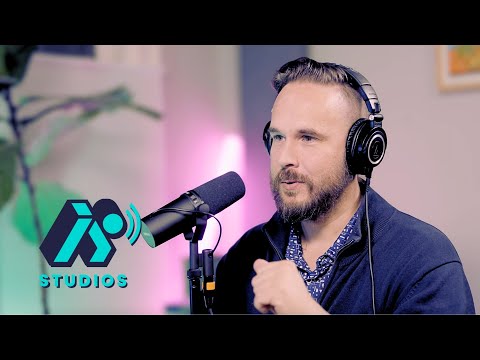
Welcome to aiEDU Studios. I’m here in our San Francisco studio with Jared Chung, founder and CEO of Career Village, a long peer good friend organization of AADU. We’ve been in Fast Forward together.
Fan of a aiEDU. I feel like I’m your biggest fan. No, no, no, no. That’s a great intro, by the way.
For better or worse, I’m like I’m very good off the cuff and unscripted. I’m really bad scripted. I’d rather be that.
I feel like the opposite is then you need a teleprompter to do everything. I guess the good news is there’s no script for this. I mean, the vibe of this conversation is like, think of all the times that we’ve been at conferences together, we’ve gone for walks or gotten a drink.
The quality of conversation in terms of like really meaningful things that I learn about our space, our work, it all happens in those sort of like side conversations. Yeah. We don’t have those conversations out in the open often enough.
And so, it’s good to be able to do that. And I’m as I’m also it’s the reason why I’m super confident that we’re going to have a great conversation today. And one of my reflections is you you go to these conferences and you see like hundreds of people crowding into these rooms hearing a super scripted.
I mean I’ve been in a lot of panels and I’ve been on panels where every single question and answer bulleted out and so people are just like sitting like watching people kind of perform talking points. I don’t know how many people are actually getting a chance to go and you know have that insightful side conversation with somebody. Why don’t you tell us about career village?
I think I’m going to use a maybe a dangerous word in our line of work. I actually I think it’s my calling. Why is that dangerous?
This means a lot in the kind I work in workforce development and we talk about a lot of things. We talk about readiness and we talk about ability and we talk about skills, but the idea that there’s a job that might be perfect for you is a high stakes concept that we just don’t touch at all. We don’t talk about calling, but I really like my job.
I like love my job and the work. Career Village, I I’ll give you the the boiler plate and those watching on the video are going to see that I’m going to slip visually into I’ve said this a million times before because I have, which is fine. Career Village is nonprofit, tech nonprofit.
We help people prepare for careers. We’ve always done it at large scale, which means you got to use technology in some fashion. We started in 2011 so we’ve been doing it for you know nearly 15 years now.
At the very beginning super super small scale we were in four classrooms helping high school students ask career questions on our Q&A platforms. Basically was a forum modeled like almost pixel for pixel after Stack Overflow which back in 2011 was like 3 years into its meteoric rise to the forefront of like the software engineering online community kind of role that it played right the whole saga there but it was on the up and up crowd sourcing was hot in 2011 right we had sort of Wikipedia was hot still hot but it was like super hot. Then Stack Overflow was hot.
You know, a lot of things were were were rising in online crowdsourcing and we started getting high school students onto our online community to get career advice. That’s where we started and we built that for a decade to be the largest independent career Q&A platform on the internet. I think by this point we’ve had 10 million people come to the Q&A platform to give or get career advice in some fashion or another with 200,000 people working professionals who signed up to give career advice.
Basically, they answer kids career questions. What was it? November 2022.
Chat drops last Yeah. End of November. I think like five weeks later, I was in like a library in San Jose doing a program with a bunch of high school students and pulled some out to the side and started trying to use CHBT as a career coach and, you know, was hallucinating.
The conversation went off the rails, you know, like it wasn’t great, but there was clearly good conversation happening. And if I was sending over the the learner shoulder in helping you try this next, I was doing the prompt engineering. If I was saying, ignore that, it’s wrong.
They were getting good conversations going. So we pretty immediately started working on how could we leverage LLM to create a a really high quality, reliable, you know, safe and productive career coach. Which we did.
So the organization previously been about Q&A been about exclusively about sort of communitydriven career advising. We’re still about that. We also have this LLM driven career coach which is at a careercoach.org.
So we kind of run both of those. I mean when you are the first mover you come up. So we call it coach which was like a first mover name.
We picked what we thought was the obvious names like a hundred things are called coach now subsequently. We bought the URL. I mean I’m going to guess we bought it back in January or February of 2023.
Did I did we try? I’m not sure. It might have been might have been taken.
Hard to say. Things things moved really fast back then. A lot of people were speculating on domains.
So, you had this epiphany moment. How long between that and when you’re like, "This is actually a thing." I mean, the first time, well, to be completely transparent about it, it’s the start of January. I pull a small group of our team and they go off and they start making lists of things that we could potentially want to use, try LLM for.
AI career coaching, just a straight up full-on coach, was one of the items on the list. We marked it as too difficult. Start working on the others.
Came back to it weeks later and said, "I’m not sure it’s too difficult. It might actually be our only option." And then we went all in on it. That took a couple of months, but at some point, I mean, I think at the very beginning it was 10% of our team’s work.
Before you knew it, it was 60. And then, you know, months later, it was 90. And in that period, we went from GPT 3.5 to GPT4.
Yeah. But I was just talking to Peter G at quilt and that was like they’re like it went from like a proof of concept to holy crap this really works. Yeah.
We got really far and then I mean also not just the GBTs the competition that manifested. Gemini models became amazing. Gemini 2.5 is like great.
Anthropic started releasing Claude models and they were great. And then you ended up with this sort of like extremely long tale of models to the point where we just stopped experimenting. We we you know we had enough models that we could we could reasonably use.
We haven’t tried every model family that’s out there. We don’t need to anymore. I think I think at the very beginning I was reflecting on this recently.
The very beginning back I mean it’s like the first quarter of 2023 I was walking across the street chatting with my neighbor. We were like comparing the probability that we end up in a Skynet situation, right? And at one point the worst it got, he had gotten up to 10% likelihood of Skynet and I was like I had never gotten past like 3%.
But things were like pretty scary back then. I think one of the concerns we had was that there would really only be one provider of the best models. And I don’t think we really I mean I think we’ve we’ve gotten out of that situation.
I don’t think that’s the case anymore. I wonder what you think. Predict I mean there’s so much variability in predictions.
For not just Skynet but AGI which maybe is the same thing. I think we’re I think we’re post AGI. I think as of like what the probability of ASI but I think AGI is we’ve gotten to the point where like general intelligence enough for my needs is available.
I mean how long do we have? Right? Because like the whole conversation about AI this is actually where I began my my rabbit hole into AI started with Nick.
Have you heard of Nick Bostonramm? The the head of the future of humanity institute at Oxford. Yeah.
He’s a philosopher, but he he bas he he wrote this book called super intelligence and he basically makes this case for you know he’s like technology is advancing extremely fast relative to the full span of like human history. You know, at some point in the next X years, whether it’s 50, 100, 300, but at some point, like relatively soon, we’re going to achieve breakthroughs in AI that reach artificial general intelligence, which is like AI that’s like roughly as good, maybe like 90% as good as a human at most things. His argument is that there is a a takeoff scenario where once you have one AGI, you then immediately pour all of your investment into having a million or a billion or a trillion AGIS and you point them all to one problem, which is self-improvement, right?
And once you do that, you it could be weeks, months until you get super intelligence. I’ve heard this. I don’t like I don’t know if I I don’t know what to make of it.
Well, part of the challenge is what is AGI, right? Because like the the goalposts keep getting getting moved. You would ask if you described what ChatGPT or Gemini or or Claude are able to do to somebody in 2001, they’d be like, "Oh yeah, you’re describing AGI." Yeah.
That’s why I make the case that its utility as a term is no longer helpful from my perspective. We’ve already passed it. It’s more useful to try to be more specific about capabilities of these technologies and more like in more discreet ways.
I wonder if I really want to dig into this with you, but let’s finish the story. So you a career coach.org is it live? I mean can somebody go and anybody can go you can start using it right now for free thanks to foundations that funded the development of it and the everything we need to keep it running and available to the public.
And then you know like a main way we we try to get it in people’s hands is by deploying it the education or higher education or workforce development ecosystem which I think is the key to any kind of large scale intervention in the supply side of the labor market. You’ve got to work with the institutions who are already teaching skills, training people for jobs. We’ve got to be there.
So that’s where we’re putting most of our energy right now and trying to get it in people’s hands. Yeah. Otherwise, you just have another website and you’re hoping that the right kids discover you and generally the kids that have parents who are like Good luck.
Yeah. Yeah. I mean, you could sort of hope that you somehow go viral and that’s just not the way.
That’s not a that’s not a plan. What you and I have always really ended up nerding out about and what I was excited to talk to you about is I think an anxiety that an increasing number of parents now are harboring on a daily basis which is I feel like I don’t even know tell my kids anymore. Like I don’t know if my son or daughter should go to law school and at least before I was just harboring the anxiety of are they going to be able to get into law school or med school or whatever.
And now they’re like, I don’t even know where to point them. And it’s interesting because this conversation comes up, you know, whether it’s teachers or funders or policy makers, at a certain point when they realize like, okay, this is an organization that’s really focusing on it, they almost like put their parent hat on to like, so yeah, like my my son is 15, like what should he go to law school? And I’ve struggled to actually come up with an answer.
And so I’m I’m hoping that in part we can sort of go on a journey to get to this, which is whether there’s an answer, maybe there’s not an answer. I’m curious. Do you have a hot take?
Is there a is there like a sage tidbit of advice that we can give to a parent? TLDDR. I mean, first I’d say I understand you’re not wrong.
It’s stressful. It’s important. It’s important in your life.
It’s important most importantly your child’s life. And you’re living in a period of tremendous uncertainty. Is not wrong to feel some kind of way about that.
There are some things that I’m developing a perspective, a pretty strongly opinionated perspective on that I think are no regrets. So, first off, there’s some good news. The core skills that people have been talking about in education, that’s not my perspective.
That’s my amalgamation of what I’m hearing from technologists and employers. So, for example, there’s all these names for these things. You got those core skills, soft skills, upskills, down skills, it doesn’t matter what you call them, right?
At the end of the day, we’re talking about communication, problem solving, project management, just like all these things could communicate like just written communication, verbal communication, EQ. The fact that you could have text generated for you doesn’t mean that you don’t need to know what you need to be generating and like what is good and making sort of having good judgment is growing in importance as the things you can do and the leverage you can have increases. So all those core skills, whatever you want to call them, seem like they’re sticking around.
It’s absolute no regret to learn those things. The other thing that I think is coming in increasing in importance and I think I may have talked to you about this at some point at a conference or elsewhere is that employers are looking for employees who are going to be able to wield this technology and to manage it. And I think what it does is it raises the bar.
It used to be that we have to we as educators would have to teach people the skills they would need to execute all the tasks. Now in the knowledge work space you would do that for years before you were trusted with the autonomy and the authority to become the manager of the work. What I think is is going to happen is that it’s not good enough anymore to finish your education knowing how to do the work.
You need to be of course you need to know how to do the work but you need to be able to go even one level higher. You need to be able to lead the work and manage the work. Evaluate the work product.
Figure out what’s going to happen. In education will say like if you if you’re going to learn it so well that you could teach it then you really know it and I think the same is going to happen in knowledge work where you need to know the work so well you can’t just do it you can lead the work you need to we’re the the entry level job it’s going to become the manager job I mean you can say like the manager job is the new entry level job I think that’s what we’re about to tip into that’s that’s reflected in the data so far that’s reflected in the data and I think and I think that gives a path for parents put the parents aside for a second I’m a parent. But for people who want to work in the knowledge work space, you’ve got to go a level higher up.
You’ve got to learn it so well that you could lead it, you could manage it. And I think then, you know, there’s some other stuff. The the last skill that I think has to come in in addition to core skills and the ability to manage the or like leveling up to manage the work is labor market agility itself.
So learners need to know how to read the news, how to read the winds, how to track the change so they can see how AI is affecting the occupation that they’re in or the industry that they’re in. You have this sort of like you in order to keep your job, you it’s not enough to just have an occupation that’s important. You need to have an industry that’s still relevant and you need to have a company that’s still relevant within the industry that’s still relevant.
Any of those three parts of a three-legged stool breaks where your occupation gets automated, the industry itself gets automated, even if your occupation doesn’t or the company fails in the competitive environment, you’re at risk of losing your job. Like they’re all three have to be true. So, you have to track the change in the market across all of those.
That is a skill that I don’t think we teach people enough. So, if you’re a parent, read the news. If you let’s say your your kids told you they want to be a lawyer someday, they and you as well should be reading the news about how AI is affecting law.
Was it Andrew Ing who was like nobody should go to law school lawyer? Thank you. It was a tweet.
There’s a very particular set of predictions about law. I will say some of them are pretty convincing, but I don’t think there’s a literally zero set of demand for lawyers. Yeah.
But that’s not that’s not quite what you have to decide, right? Like if you’re if you’re trying to advise your kid, I don’t know what the number is. Someone like David Otter might know, but like how many jobs need to be displaced in sort of like the net employment of a career so that if it’s the case that you want people who can manage, you know, some portions of people displaced are actually just like super low performers and they’re screwed.
Some portions of people displaced are actually like pretty good, maybe they’re just not experienced enough or whatever it is. Or sometimes they’re just like you have to cut five people, you might have to cut some people that you like. Those people are going to get the jobs that are created because at the end of the day it’s pretty easy to learn AI.
The hard part is like learning the law and a company’s always going to go for somebody with that experience. And so the the I think part of this and your your point about industry is really interesting. It’s like okay well how do we we don’t really know.
I mean some people claim that there’s going to be no more you know accountants worth paying attention to that. I don’t know if I’m like ready to make a prediction there. Occupations that have disappeared in history, more will.
Perhaps at some point if you go to infinity, all occupations eventually disappear and are replaced with other occupations. Like, I buy that. I would buy that argument.
But it’s hard to predict which ones are going to go to literally zero. But it doesn’t matter. I think your point is right.
I’m not going to be advising my kids to enter into a rapidly declining occupational area or rapidly declining industry unless they’re really confident that despite the waves moving against them, they are going to be the ones who break through that to the financial stability that they’re looking for. Right. So, you’re right.
You want to know where occupations are going to have declining demand. But but but sorry but but but I would argue that the way to do that is to invest in building career navigation agility and that means practicing the skill of trying to figure out which way is the wind blowing and am I trying to surf up the wave you know glide up you know upwind or or am I or am I or am I getting pushed? Yeah, because both of us basically that’s the common thread among being like super cool.
Besides that, we just moved relatively early. Not that I mean like 2011 was even before you were doing AI before AI was. Yeah, but AI was still around.
I mean like even language models were I mean I’d seen Chad GBT like GBT3. It was like 2019 I think maybe 2020. You haven’t missed anything.
Like this is this is we’re still at the beginning. We’re still at the very beginning. Yeah.
So it’s like the good news is if you’re even asking you’re ahead and and I guess what you’re describing is like how do you maintain this like sense of curiosity and inquiry and also how do you transfer that to your kids so that they are also because you can’t just so because a parent as a parent you should what I’m hearing is you should be reading the news. You should be you should be and you should be building career agility. I mean that’s actually our work, right?
Our work is helping people navigate the changing labor market to whatever job they’re trying to get. But besides paying attention to industries and sort of macro trends, what else is baked into that? All the aspects of career adaptability itself.
Career adaptability is several components to it. To simplify it. Investing in your network, learning your trade right at a high level where you can be endowed with the authority to direct the work.
Learning adjacent adjacent occupations or skills. Continuously investing in your own skill development and just expecting to over the course of your your working life. It’s just going to be a normal thing that you do.
You’re going to be learning new stuff. Every employer wants their employees to constantly be acquiring new skills as the needs change as for the employer. I think all those things are aspects of career agility which we should be centering and I think I think you know I help my kids with and I think we you know all parents can help their kids with and folks who don’t have kids in school might be thinking to themselves well isn’t that what like the school guidance counselor is for?
They want to, you know, every guidance counselor I’ve ever met would love to be doing that. There just aren’t enough guidance counselors. And what’s like the ratio roughly?
I mean, last time I checked, it was just north of 400 students per guidance counselor in America. And about half of American high school students didn’t have a counselor at all. So, and a guidance counselor is not just helping with career navigation.
And they’re probably doing a lot of therapy, they’re almost never actually able to spend time on the career piece, right? If they get to know your kid, you know, that’s either a great thing because they’ve somehow somehow heroically found a way that they could take 30 minutes to get to know a learner’s specific unique preferences. Or they’re really just trying to help your learner achieve other things.
So, for example, I mean, a lot of them are spending their time just trying to make sure kids graduate. If they’re if you’re if they’re really lucky, then they’re spending time trying to help kids explore their post-secary options. Sometimes with a cursory discussion of what they want to do post education, but they just usually don’t have time.
It’s not because they don’t want to, but it’s hard as a parent to trust that the guidance counselor is going to have the capacity available to be able to be the sole supporter of your kid, which unfortunately means that, you know, really you have to hope you can try to assemble a bit of a community around the learner, which you know, you always want to try to do anyway, but especially in the context of career and the guys doesn’t know everything happening. In every occupation anyway. Yeah.
It’s not like they’re getting, you know, a weekly briefing roundup of, of course, clips. And the Bureau of Labor Statistics does not, you know, call up your guidance counselor at the school to give them a personal update, right? Someone should do that though.
I mean, I think there should be like a guidance counselor bulletin. Totally. You should do.
Oh, so so the I got the idea for AIU from my mom and I’ve told the story too many times now, so I’ll skip past it. I remember I remember asking about their career exploration and I was like, "Oh, who’s the like career exploration teacher?" Because I thought they had a dedicated career person. Nope, the English teacher does the And like, "Oh, can you like I can’t remember if I I don’t think I actually sat in on the class.
I think I just got the like syllabus or whatever." and so the most recent class was most recent lesson was about truck driving and it was like this is Ohio. So I was like, "Oh, well to become a truck driver, you go to Ohio.gov and this here are the certifications you need. Here’s like what it’s like to be a truck driver.
You like drive for eight hours a day. Here’s a salary. That’s it.
Yep. Good luck." And it’s like, yeah, it’s actually really, it would have been so easy to just say, well, and here’s like three companies that are literally trying to replace truck drivers. And here’s a video like that’s on YouTube of I mean like I was like, why?
Cuz the places that I was going, all the nerds were like, this stuff is crazy. And everybody was talking about these self-driving truck companies. I think that the thing that I think a lot of people don’t realize is how fragmented the skill development ecosystem really is.
There are so many different occupations. There over 900 occupations according to the you know on net suck system which is all the occupations of the United States. Each one of those has a huge number of local training options and the mapping of all of this is extremely chaotic.
And so as a result most systems never integrated well enough that you could actually take a learner all the way through. And it’s like a bunch of nonprofits and forprofits were creating systems. Whose only existence was just to try to do all of these integrations and mappings and they never really got there and now I think we’re at a place where actually this is an area where you might get better results from AIdriven systems because they can handle so much data.
What our system is one of those like can gro all the different possible systems that are out there and then you know as long as we keep connecting them in can parse through all that say here’s where you actually go to get certified and anybody who’s ever been in the labor market gotten a job knows this firsthand the labor market is a terrible market just from like a economics standpoint it’s it’s a it’s a it’s a horrendous market you have supply and demand and then you have terrible system in the middle that tries to allow them to match and the information asymmetries are horrible. Routinely demand which employers hear doesn’t know how to assess whether supply will actually meet its needs. Chronic issues with interviewing and assessment, right?
All these sort of you get all these things like opportunity at work trying really hard to teach employers how they can do skills-based hiring so that they don’t have to just rely upon a credential or hoping that a resume just magically has the right keywords in it. That’s an aspect of a poorly performing market. Most of the marketplace takes place these days on job boards and the job board systems are completely overwhelmed and inundated.
You get like 5,000 applications per job which nobody’s happy with. Supply and demand is both miserable with that. From a market standpoint, it’s just a poorly performing market and we all are subjected to it.
And for you can’t opt out of the market, right? If you opt out of the market, then you’re not going to get an income that you need in order to be financially stable. So, it’s a really really rough market.
I think actually AI is affecting people ask how is AI changing the labor market? Usually, what they’re talking about is how I how is AI going to affect the demand for labor? Well, that’s a hard thing to predict because for a couple reasons.
One is you have to make a prediction about the capability of technology and the other reasons you have to make a prediction about the rate of adoption among firms. You have to have a prediction on both in order to understand the effect on demand. But the thing I’m more interested in these days is how is AI affecting the other aspects of the market?
How is it going to affect the availability of supply, the agility of the supply side system, the mechanics of the market itself, and what is it going to force policy to do? And how’s it going to affect the economic flows that come out of it and how many of those actually acrew to the vast majority of people. This is my like five-part framework of like how the labor market is being being affected.
Yeah, that’s that’s the unknown thing is the yes, Gen Z and Gen Alpha are going to be in for a lot of change. It’s probably going to be hard. Almost definitely going to be hard but at the same time they are going to be the most AI native best suited and there comes a point where the people that really will have to worry I mean right now the challenge is we just don’t know what the time frame is so if you’re in your late 30s early 40s you’re like yeah I might have 15 years left before this really gets bad and like okay let me just write it out but at a certain point I I think we don’t have 15 years but at a certain point when it’s when it’s bearing down on you, you’re like this is going to happen maybe over the next three to five years, you know, unless you’re in your late 50s, like it’s really hard and and those folks I don’t want to prejudge because actually there’s you look at like usage of social media like it’s not like it I I I think I think this is a technology that’s actually relatively easy to use.
It’s it will literally tell you how to do it, how to use it. So, it’s hard to say that they that like like older workers versus younger workers, there’s going to be a disparity, but I think there’s reason to be optimistic about like younger generations are going to have just sort of have like the neuroplasticity to, you know, really experiment and shift and and that’s sort of what the glass half full might look like. But it could go the other way.
It could be that that that what the hardest thing is not learning to use AI. It’s the wisdom and experience knowing how to use it, knowing what to use it for. I think there’s a possibility that being an AI native is going to confer advantages.
I’m having some difficulty right now trying to pin down exactly why that would be. But I would buy it. Like if we ended up in that world where being an AI native gave you an advantage, I would I guess I could I could imagine that.
But I do think at the moment until we’re changing the way we educate to help people break through that we’ve got to raise the bar beyond you have to be able to do the job. We’ve got to raise it to you have to be able to direct and that is going to I think that’s going to confer an advantage to people who are experienced for quite some time. But I think to your point earlier, it’s a question of how long.
I don’t know how long we have before these effects. Like a lot of the issues in in our in our field are about predicting how long it’ll take and it’s extremely hard to do because you have to predict the behavior of a lot of different people and also the technology is so dynamic and the technology itself. Yeah.
I mean one other thing I think is sort of relevant here though is so I recently went to China and I had been I had lived in China 10 years ago and so I went back to China for the first time and when there I saw and I just hadn’t been back for a decade saw the pace of change and one of the key aspects of change in China over the past decade has been the extent to which technology adoption among the populace for consu everyday consumer life has driven huge changes in how every how everybody lives. People don’t walk around with money anymore. Everything happens on your phone.
And that, by the way, is not just the young people who are digital natives. The entire country, the largest, most populous country on earth, flipped how it does everyday everything to a digital version of that. I don’t see that level of agility among everyone here in the United States or in a lot of countries.
And so I actually think I one of my open questions is how will we how quickly will we adopt AI across a lot of different aspects of of life? And are we going to sort of say, well, we’re just going to wait for the AI natives to sort of be the ones who adopt it all the way through the economy. But there are a lot of countries that are going to adopt it wholesale across every aspect, every demographic.
Yeah, China’s their their AI action plan which they their their action plan was 2018. But it’s very much like and they’ve published revisions. It’s like AI and every possible sector.
It’s hard to say. It’s like it’s like I my my hypothesis is AI is going to be like using your phone. So like at the turn of the century, you might say, "Oh my gosh, like you know, and that’s how you even had a chance to sort of like transport to, you know, modern day New York for like two minutes and you see everybody’s in their phone." Like the future is going to be everything is going to be mobile.
So what we need to focus education on is like cell phones. Like we need like that is going to be like the key differentiator. And if you’re not cell phone native, you’re going to be left behind.
I don’t think that’s right. I don’t I don’t I don’t I’ve never asked I’ve never interviewed somebody and asked about their cell phone capabilities. I I suspect AI is going to get pretty close to that in terms of like both ubiquity and also just like the the user interface because like the you know when when you look at what vibe coding is capable of.
It’s capable of like hyper tailored tooling a single webpage app that has exactly the things that you need. It’s not prompt engineering. This is like actually different right?
This is actually like it’s probably we’re going to get away from the chat chat box right soon for some users of AI like I think there will still be the the vibe coders who are build who are building stuff. I’m going to try to make some predictions and maybe you know for those parents who are like you we’re still on the edge of our seat and it’s not very satisfying to be like well you know just career agility like these are this feels very amorphous. They’re like no my son says he wants to go to law school.
Should he go to law school? Here’s what I say is if you can get into a top 20 law school, pretty good. You have a good shot.
That’s probably the only situation, maybe not even top 20, maybe top 15, but it’s really the only situation where you should be taking on any debt. It’s, you know, not a really like like pretend law school if it’s like a real law school. Also, like like why not?
As long as your your kid really wants to be a lawyer, like if the reason they want to go to law school is because I want to drive a BMW. I’m not really interested in law. Like if your kid isn’t watching Aaron Brockovich, I wouldn’t recommend it anyway just for that purpose.
But yeah, I think that applies to like but I think there’s a lot of careers. Computer science is one of them, you know, like business. I mean there’s a lot of careers and the way that I experience career exploration in school was it’s like career and then let’s talk about what the salary is.
What you’re describing this like idea of like building like agency and curiosity and like the ability to like manage those are skills that you’re going to build and something that you maybe it’s not your life’s calling maybe it’s not even your passion but it’s something that you find interesting but like something that is the most likely to actually get you to go above and beyond just the what you’re learning actually think one of the things that as a parent I found the most difficult even harder than how am I going to advise my kids on how to navigate the changing labor market even harder than that was how and to what extent should I be telling my kids how to live their life and what it means for them to thrive. That’s an individual choice. Every parent knows.
Every parent who listens is going to know what I’m talking about where they have to they wrestle with are they going to be very very clear and opinionated with what a good life is or are they going to let their child decide for themselves and where do you sit on that? And I’m not on either extreme. I’m I I’m advising and I have an opinion and I tell them what makes my life good.
And they’re heavily influenced by their parents. Of course, they’re going to be heavily influenced by me. But I think you have to start with that.
And when we are doing career navigation advice at Career Village, we have to start from a guiding principle which is that we’re going to let every learner choose what it means for them to thrive. We’re not going to tell them what a good life is. We’re going to help them reach their career goals in so far that they help them thrive.
To bring this back to career, things back to whether you should be a lawyer or not. If your kid wants to go to law school to get to drive a BMW, I think you have to decide first off, is that an appropriate way version of thriving for them? Cuz if it is, then there are many ways to go about driving a BMW or whatever that thing is that they choose.
Doesn’t have to be a calling. Some people they’re just working to work. They’re trying to get the money they need so they can really do they can build the family that they want to spend time with and they could pursue their hobbies.
I mean all those things are valid, right? And I think it’s really a choice for the individual or the parents involved to decide what is a good life really and how do I fit my occupation into it. I think culturally in the United States these days we’ve attached a really really outsized importance to your occupation.
It affects a huge number. Historically speaking, it affects far far far more than it did 50 years ago, for example. It affects how much money you have.
It affects where you live. It affects your access to health care. It affects like just a huge number of aspects of life.
And I think one of the things, you know, I’m working on the labor market. How do we make the labor market better? I work on the supply side.
Got other people working on the demand side. We’ve got people working in the middle. I do think we need to like ask the question, god forbid we fail, right?
And we don’t make this market work well. How do we as a society create some some sort of safety nets? So that the way we’ve erected your occupation as being the most important factor driving so many other aspects of your life doesn’t have to be that way.
And there are policies and cultural norms that we could adopt and are adopted in a lot of other countries that that reduce the importance of that occupation and driving like whether or not you’re able to be happy all the rest of your life. I mean, how do you talk about when you’re AIE? Do you do you you have a point of view on the role education should play in people’s lives?
Oh, yeah. I mean, we run into this because we actually put it into economic terms most of the time. When we talk about workforce readiness, I mean, we use the word thriving, but it’s like sort of implicit that we’re talking about careers.
I think thriving is more than money because I think I’d rather I I don’t I have the benefit of hindsight. I might not have known this, but I’d rather do a job I love and make, you know, 50% of what my friends who are doing jobs they don’t like. And so, like getting to this question of like law school or you know, carpenter, right?
This is that’s your choice. Which is actually like a really that’s a really practical example. If your kid is like, "Look, I just want to drive a truck and a nice truck, maybe a lifted truck if you’re in Ohio, those big mufflers.
I want to have a car, you know, a house with a twocar garage, blah blah blah. I want to go fishing." If I was a parent, I’d be like, "Well, look, if that’s really what is driving you and you really just want a job that’s like decent and has like gives you dignity, go into the trades, go and be become a plumber. Like those are going to be because I think at a certain point yes there’s like a lot of uncertainty and we we don’t know we don’t know a lot but I think we know enough to say if you spend most of your time sitting in front of a computer doesn’t really matter what that job is whether it’s like you’re writing or analyzing or researching or coding or designing I it’s it’s a I it’s it’s probably smart to not you should you should not bet against like those tasks in front of the computer will go away.
Now, will there still be people at law firms doing stuff? Absolutely. And maybe law firms will not even necessarily when there’s law, there’ll be lawyers.
Yeah. But those are going to be the those are going to be the careers where you like to your point, you really need to be like reading the news. You’re right.
You just got to be paying attention. I think that’s right. And really, I mean, don’t take out a loan and go to go to state school.
They’re still expensive. I just discovered Ohio State is a lot more expensive than when I went. But definitely don’t I mean I have so many friends who went to tier two or tier three private schools just to say they went to a liberal arts school and it’s like dude, yeah, I think I think you can I think you can buck the trend, right?
Like if if you’re I think you just need to you just need to really be aware if you’re surfing down the wave or surfing trying to surf up the wave. It’s not that you can’t drive in a contracting occupation. A lot of people have and a lot of people do.
People do it today. There are contracting occupations, demand for that occupation is on the decline, yet people still are rising up in the ranks of that declining occupation. Like you can do that, but you should not do it unaware of the fact that demand for the occupation is dropping.
You should be aware of whether you’re in that environment because it requires a lot of drive and intentionality, constant improvement. And some people love that. What’s a declining occupation?
I was going to say record store owner, but I think they’re actually on the up and up. Record store owners on the up and up. There’s so many record stores in San Francisco.
Maybe in San Francisco. Yeah, not in Ohio. Actually, no. There’s there’s a bunch in Ohio in Akran.
Like two or three. The record sales are actually I forget the stat, but it’s like some crazy record, pun intended. They’re very high, which is a whole another thing, right?
Because like if you’re really trying to think about the trends there’s okay what is being displaced or the mystical and we haven’t even talked about this which is why I like you because a lot of people when they encounter this they do the handwavy thing of like well there’s also going to be all these jobs we don’t know about and new products and new industries that are going to be created. But I we can’t bet on that first of all and and I I haven’t heard too many good examples but I think one maybe tidbit that it does feel like something which is like real authentic experiences Not sure exactly what that fully entails, but what new occupations which are real authentic experiences? No, industries or businesses that support people doing stuff that’s not online, right?
Yeah. Like inerson dating services or Yeah, I think there’s like I think you can be hand wavy in the sense that there have always been entrepreneurs. There will always be entrepreneurs.
People will come up with new services that are cool. But I think what I don’t take for granted at all is that that’s going to happen just as quickly as jobs are lost. I think that’s what really I mean the main thing again if you come back to the labor market you talk about the supply side the demand side the thing the main thing that I’m interested on the demand side is the extent to which employers are going to adopt AI how fast they’re going to do it and how fast they’re going to adopt it specifically to create new services and new lines of business if they’re adopting AI to automate the things that they already do today.
I’m just telling you right now that’s going to inevitably lead to a net reduction in demand for whatever that thing is that they’re automating. But if they’re using AI to create new lines of business, they’re focused on that. Two things about that.
One, it creates more value longterm for their shareholders to create brand new lines of business to be a first mover in a new industry. Creates more value for their shareholders in the very very very short run to cut costs. That’s the problem.
There’s a short-termism orientation among corporate America which will lead to them being a little bit more likely to first use AI to cut costs. But if they create new lines of business, they’re forward thinking, they’ll create new demand for jobs. And the second thing is if they’re using AI in a way that allows their staff and people to wield it to those purposes, right?
I mean, you saw the study, I can’t remember who published it, McKenzie, one of the consulting companies, I think. What proportion of senior level executives think that their employees are ready to wield AI? Very very low.
One in five, one in four, something like that. And then they pulled all like the vast majority of staff the company. What proportion of them think that they’re ready to use AI?
Was like the opposite. It was the inverse, right? It was like 2/3, 3/4, 4 fths, something like that.
I think if you’re unlocking the power of the employee base to wield it to create new lines of business, you’re going to find that the company actually becomes much more valuable, creates more economic value for everybody involved and you still have a demand for people to work. I think that there’s industry industrial policy, maybe even monetary policy that could support a growthoriented private sector adoption of AI. But if left completely to its own, given the orientation toward short-term shareholder returns right now, I think I’m just kind of frankly I think they’re going to be using it for cost cutting, which means I’m pretty much hoping that CIOS just take a really long time to adopt.
Never never been against the the molasses like qualities of bureaucracies, especially big organizations in, you know, non tech forward industries, which is which is confounding, right? Because it has it’s like it’s like self-driving trucks. There’s lots of like self-driving trucks are totally a thing now.
It’s possible, but you need to have specific corridors built. You need to have like last mile infrastructure. And so there’s a shortage of truck drivers.
And this is like the fascinating thing about like this this the labor market as you say is like it’s so people keep saying truck drivers and you know they’re they’re going to disappear, but we have a shortage of truck of truck drivers. You hear these both at the same time, right? They’re all shortage going away.
We don’t have enough just constantly. It’s been that way for years. It’ been four or five years we’ve heard that.
And so what’s behind that? It’s like because demand is geographic. So like there’s probably a lot of demand for truck drivers in Portland.
A lot. If you if you grew up in Akan, you’re probably not necessarily rushing to go live in Portland. Why?
Like with computer science, we I hear simultaneously we don’t have enough people in CS or we don’t have enough software engineers and now we have like record unemployment among new grads with CS degrees. What’s happening? Why can’t they just go find those?
And you and you see these people, they’re sending out like hundreds of resumes. Are they just picking the wrong companies? We have we have a legendarily bad economic market which we call the labor market that all of us are subject to where demand has a terrible is is so legendarily bad at evaluating whether supply will meet its demand that it already knows this and therefore is like hesitant to clear the market and supply is uninformed about what demand wants.
It’s a it’s a terrible market. Now in the case of truck driving, you also have the factor of it’s not an isolated system that just like it’s part of trucks are on the road with everybody else. You have like law, social expectations, you have like other drivers.
And in order to predict what’s going to happen and whether it’s a good idea to go train to be a truck driver for the long run, you have to make a prediction about a whole bunch of things, including like policy. That’s the case for truck drivers and it’s the case for pretty much every occupation and that’s part of what makes this hard right now. I I know that what you’d love to be able to say to the viewer or listener is actually it’s not that complicated but unfortunately it’s not true.
Like you what you have to be predicting is not just how good will AI be, but you’ve got to predict how demand will evolve. And I’ll say I don’t trust myself to make a lot of those predictions. That’s why I’m basically saying agility.
If there’s demand for truck drivers right now to such an extent that they’re paying six figures to hire you and they will pay for all of your training for you to go get certified, right, and to get a CDL and you need a job for the next several years and you’re willing to keep your eye out in the market so you know what you would pivot into and you know how the you’re going to you’re going to watch the news and know how the self-driving truck market is evolving and the infrastructure is getting built and all of that. There’s nothing wrong with that. Go for it.
That’s probably a wise move. But practice the agility so that you can pivot. Know what your pivots are to bring us back to AGI.
I just had this definitely not ASI. Although Nick Boston, I don’t think I got to finish my No, I did. I I sort of gave this spiel about Nick, Professor Boston.
Was he a singularityist? He’s in that world of like effective altruist sort of this, you know, I think I would say he sort of falls on either is either going to be a tech utopia or a tech dystopia or really just the end of the world. I think one of the two, but yeah.
Yeah. I see. Yeah.
I think ASI is like really fun and that’s like a whole science fiction thing. There’s also a lot of conversations on YouTube about super intelligence and existential risk. And I I like I pretty much do no forecasting related to it.
I do no prediction because I just I don’t I don’t have any particular insight into like how to think about a world that where that’s like a thing. I was reflecting on there’s a lot of organizations now and fields like computer science you know design visual effects that this is not like a future tense you know longterm philosophical idea. This is like literally happening in real time.
They’re seeing it happen. And I was wondering like what when will that happen for aiEDU the work that we do, which is to say when will there just cease to be demand for workers? Because as long as there’s demand for workers, there’s going to be need for matching the the supply and demand and and making sure they have the right skill.
I was like I actually allowed myself I usually don’t it’s it’s like our our part the party line from AADU is nobody knows how long it’s going to be until we achieve AGI even if we can which is also a legitimate question that very smart experts have posed. It the the the most strategic thing to do is to is to bet on the fact that it’s going to take a long time and that the journey there is going to be is going to result in a lot of disruption on the way. And that’s what we that’s the scenario we need to prepare for.
But I allowed myself like what if it is the other scenario, right? What if it’s just, you know, two or three years from now we have AGI and jobs literally just sort of like disappear as a concept and people are shifting into this more sort of like you know maybe maybe it’s like the you know the real action let’s say as it were in terms of like improving the lives of young kids is really you know driving the debate about the social safety net and about how we ensure that people can continue to live without work. And I’m curious how you feel because you’re probably in the same boat.
I mean, if if people don’t need if there just aren’t jobs, I mean, re village is probably not. We help supply, which is people. We help people navigate the labor market.
If there’s no demand for jobs, there’s not much for us to help people navigate. And just to be clear, we do this globally, this is a US-centric conversation because both of us have US-based organizations and a lot of talk about AI happens in the United States. We live in the United States.
There are a lot of countries in the world right now where there’s not much demand for labor, right? Like chronic high youth unemployment is the case at any point in time. It’s the case in many countries at at that given moment.
Which one’s like Egypt? I know Egypt’s high. Where is it high?
Yeah. There’s high youth unemployment in Egypt. There’s high youth unemployment in China at the moment.
There’s high youth unemployment in I want to say Brazil. Oh. In big countries fact check me in the comments.
But nobody’s happy when that happens. Youth first and foremost, but societies don’t thrive well when there’s high youth unemployment. Societies don’t thrive well when there’s high unemployment as long as we’ve erected all the other structures of society around occupations and employment.
So, so to answer your question, I mean, I don’t or to just compare notes with you, I also don’t reason too much about the world where there’s not a lot of demand for labor because most of my work is to prevent that outcome. And I do it on the supply side, which is weird. I speak about what should happen on the demand side, but I do it on the supply side because I know that one thing must be true for demand to prioritize people in their hiring needs.
They need to believe that people will be ready for the roles that they want to create. So, we need to help people navigate that. But no, I don’t I don’t I don’t we don’t work on what one would do if there wasn’t high demand.
And I don’t expect it either. I think we might go through a phase of it. I think we come out of that phase with more demand.
Again, I just want that to be a really, really, really short phase. And I think part a big part of that is making sure that firms and employers are prioritizing growth oriented applications of AI. But the other thing worth noting is we’re only talking about knowledge work.
I don’t know maybe you’re not. You’re talking about self-driving. I saw the figure two robot doing laundry.
I know it was pretty impressive. Which is like I always there’s so many of these like humanoid robots and I was like is that real? Like the Tesla bots clearly are just sort of a fly by wire.
Sure. Yeah, I I I think my understanding is and this is not an area of like research expertise for me or anything, but that the prevailing perspective of researchers is that still we have a we have a lot that has to be figured out on the robotic side for economically viable robotics to be ubiquitous. I don’t I don’t anticipate that yet, but we are talking about knowledge work in the United States, that’s 40% of labor in other countries is higher.
So, it’s a it’s a big factor. But if you have a young person who’s going to to a skilled trade, generally they’re better insulated. But don’t take that as a blanket statement, right?
Like go read the latest reports. Microsoft just published a occupation by occupation prediction. McKenzie’s published a bunch.
OpenAI’s released a bunch. They keep getting released and you have to actually keep an eye on them. Yeah, that’s actually one of my one of the things I’d like to do with the series.
The great thing about YouTube is you just create playlists. So you might be the first video in sort of like our playlist. But I I I want to My brother’s a doctor and his boss or his like former professor or like instructional teacher, instructional doctor, whatever they call them, Dr. Grant Nelson.
He was like an early adopter in AI in the medical field. He’s been building all these things. And he shares one thing with me.
I don’t want to steal his thunder, but I’ll he shared one thing with me, which is I don’t think doctors are going to be it’s like way before nurses. He’s like like doctors are it’s going to shrink significantly. The number of doctors, demand for doctors, demand, I mean the number of doctors is going to again it’s it’s a question of like will there be demand for all the new doctors that are getting added into the system because you can you’re going to you’re going to treat a certain amount per year and so I think his his prediction is like sooner than later we’re going to like AI is so well suited to the specific things that certain types of doctors do like especially like you know gener like family medicine where you’re only spending 15 minutes so much of your time is like filling out paperwork and all this stuff.
But it’s interesting like to bring it back to your your question which is like we have a shortage of healthcare access in this country. So is is the fact that we can make doctors more productive going to mean that we can serve more patients? I think I that one’s a bit of a hard sell for me.
I think there’s such unsupplied demand for healthcare that a significant increase in efficiency in healthcare. I just have a hard time imagining how we don’t immediately soak up that supply with all the demand that’s latent. Wildly expensive medical school policy related roadblocks to opening new medical schools.
And just because there’s more access doesn’t mean that everybody’s making lots of I mean like that’s all supply side though. I mean that all means that we have constraints on supply. Yeah.
When you relax those constraints by for example allowing a doctor to I don’t know what’s the thesis of the gentleman you were talking to. I guess it’s that you know a single doctor could serve five times more patients or something is the idea. He’s gonna we’re gonna we’ll bring him on.
So maybe maybe we’ll give you a chance to do a a follow. We’ll have you call a question to a future a future guest. But if the thesis is that a doctor is going to be able to serve more patients or that certain things that doctors do now won’t be necessary for doctors to do in the future, I’d say great, there’s a whole bunch of demand that isn’t getting supplied.
Let’s invite them to go serve the others. Like we don’t even have to work on that. The this is one of the places where I think that the you know the sort of the magical hand of economics will just like pull those doctors into the other areas of of demand but it’s a separate issue which is you also have like in that world if we’re also predicting and I don’t I can’t issue this prediction but I know many technologists are predicting largecale scientific advances in medicine people talk about like Oh, we’re going to cure all the diseases.
I think an an unanswered question is let’s say we could let’s say the medical innovations have all been identified. Who’s going to pay for us to actually go apply all of those treatments? Like, are you going to go get a 100 procedures?
Am I going to get 120? Am I paying for that? My insurance company be like, you know what?
Great news. You’ve been paying us premiums under the assumption all these assumptions we’ve had. We’re just suddenly going to like pay a million dollars for every possible thing that you might need to all happen like at once and you’re going to live for 300 years.
I just like can’t imagine the like economic or social like societal move that that takes place. But anyway, in theory that would like lead to an increase in demand for healthcare services. You think you have to predict that if you’re going to try to predict whether it makes sense to be in in that occupation.
Side note, extremely unlikely right now that we get a contracting demand for nurses. So, just in case, yeah, like nursing school appears to be a pretty safe bet at the moment. You can quote me on it.
Yeah, my brother’s fiance’s a nurse and it’s like things that are more tactile, lots of like human interaction building. It’s not just bedside manner, but you’re like and the aging population, which is like Oh, that’s nearly happening everywhere. Interesting trend.
Yeah. You want to bet like like the if I was just focused on money and I just wanted to get rich, I would get the hell out of the education space. And nobody works in education for the money.
Do it because that’s where the kids get. If you are, you’re really bad at at making money. You I would open I would start a company to something AI for keeping company to old people with dementia or Alzheimer’s or just old people in general really honestly address the loneliness crisis any and all services for for like the aging population is is a is is a high bet but it has to be a buyer has to be a payer and I think that’s a social decision that’s a societal decision I should say of how are we going to equip ourselves or or organize ourselves to support this aging population.
I mean, I I plan to be a member of that population. I, you know, want to make sure I’m I’m doing all right. I keep pitching this company.
So, here’s who the payers would be. It would be the families and it would be such a poultry amount. So, like you you would price it.
This would basically be like, you know, the AI your AI family. It’s be deep fakes of your family members and frankly anybody that you like like you you want to talk to you know Marilyn Monroe about her we create that too you know monthly whatever 20 30 40 bucks a month maybe like you can pay more for more whatever it is but very accessible and because my my my my aunt is in a like a memory care facility and so much of their day has just been hanging out watching the pets channel and I was like Man, what if she had like a pet that was much better content than that? We can be Exactly.
We can such better content. I just think I mean it’s not Would she be okay with that? He’s Alzheimer’s.
Sorry. I understand. But would she like That’s interesting.
That’s a whole ethically complicated. Is it better than the than like the Food Network? Okay, maybe.
Is it It’s complicated. I I will say when we are in our in our nursing homes, I look forward to plugging in to the VR matrix, you know, the metaverse, if you will. The alternative is just to like talk to Yeah.
Or you could talk to like Joe who who’s told you the same story every week. Exactly. I play video games now.
I’d play video games for the rest of my life if I could. If my alternative is just hanging out and watching TV, plug me in. I do quite like my family though.
I would hang out with my family and play video games. Yes. Oh, and then but the thing is they like they come to visit you and you’re like I don’t want to I don’t want to see you guys.
I’m in the middle of this quest. I think I think we’re ending up at at Mark Zuckerberg’s metaverse. Yeah, we we did idea.
We just went full circle. No, that was not going to happen. Yeah, as I said out loud, I think you’re right.
It’s It would lose because I like video games, too, but after like a certain number of hours, I’m just like this feels meaningless. Yeah, it is. It can be it can be meaningless.
It can feel meaningless and it can also feel beautiful. Yeah. I think I I should say pros and cons, you know, like entertainment.
You should have good entertainment. Gamers are a huge demo on YouTube. To be clear, gaming is awesome.
We love gamers. My brother spends he’s like 100 hours plus on Elden Ring, which gamer. Turns out that’s actually pretty low.
I was like 100 hours sounds like a lot. I spend a lot of time playing video games. I play video games with my kids.
We play Minecraft. Minecraft. What’s your favorite video game?
Well, it’s going to sound like a copout, but I quite like Minecraft. It provides creative outlet. I get to engage with my kids in a world that they have a huge say in what it’s like and it’s always different.
So, it’s very social for me. What else is on your mind these days? The main thing I’m working on in addition to helping specific people navigate the labor market, right, or helping everyday people navigate the labor market.
I feel like there’s a lack of awareness in the tech sector of the degree of readiness of education and job training programs to help people prepare. And I also think a little bit there’s a lack of leadership in the education and workforce development sector. It feels like everybody’s waiting for somebody to come tell them what to do.
And I don’t think anybody’s coming. Well, I think you’re coming. I think I think you’re coming to help tell people.
The thing is like what’s coming and what to do. This is what makes us different from other nonprofits that have like become the big institutional nonprofits like the Teach for Americas, the JFS, the code.orgs. Yeah.
Like my level like huge like thousands of their reach is incredible. Yeah, we I think we were we’re always going to stay small. My my vision trying to lead Akan Ohio into the future, we need someone from Akan.
My point my point is if you’re waiting for somebody to come, they’re not coming. It’s safer to assume nobody’s coming. It’s better to have leadership happening in every school building, right?
Every classroom. How do you lead yours in this world? You got to you want them to know it so well they could manage the work.
You got to know it so well that you can manage them navigating the labor market. I think I think it’s the most important thing a teacher can do right now. Adopt some ownership over helping their learners navigate the change.
And with tremendous respect to teachers, they already are overloaded and asked to do way too many things. And I’m naming another, but I don’t I don’t know who else is coming and how long it’s going to take for somebody outside that classroom to have a support and a message and the right path forward to get into that classroom and send them to a careercoach.org to get some career coaching. Well, that’s the point is you don’t need to figure out what the future of work is.
You don’t need to figure out what how to navigate every single career. You don’t need to navigate how to adapt or evolve your existing curriculum. Like our organization is literally what we exist to do is to make that as easy as possible.
But you need to just do something like you need to just like push past the like the worry or anxiety or the apathy. And schools need like one person to get started. And there’s like people will come out of the woodwork.
It’s like to use AI tools. The bigger picture of like the world is changing. What does this all mean?
They need to be equipping themselves with institutions who are prepared to navigate that change as well to who are not just committed to deploying a service today, but to the long haul of keeping an eye on what’s coming and then communicating that to everybody in the front lines. This is what’s a what’s a safer work equivalent to the thing we’re doing right now? We’ll cut this, but circle trick.
We’re circing right now about the how important our organizations are. What’s the like safer work version? The we’re like two preachers just like preaching to one another times.
This is very self-indulgent, but I guess I guess I it’s all self-indulgent, but I also look it’s the reason we’re doing what we’re doing. And I think it reflects our worldview. I think it’s also there’s just there’s a lot less in it for us like the gamut between being successful or unsuccessful.
Yes, you can raise more money but at the end of the day like raising money is Yeah. Yeah. I’ve just arcane, right?
Like like the it does not correlate per se to like impact. It’s like totally and maybe we feel a little bit better about ourselves, but like at the end of the day, like this is just all about honestly, I just like helping people. I pretty much do everything that I do because I really like being helpful to a person.
Yeah. But it’s such a my main driver. You I I like anybody.
I’ll be helpful to one person. I’m happy. And I like do that.
If I can be helpful to a person today, I’m thrilled. Well, you’re you’ve been very helpful to me. This has been a great conversation.
That’s what I came for. Thank you. You also drove, like an hour.
Yeah, that’s a long drive. Thank you. Always good to come to San Francisco.
AI career coach.org. Aicercoach.org. And if you want to get help from our online community, 200,000 working professionals.
It’s careervillage.org. Career. Honestly, Career Village is awesome.
I love the AI stuff, but like connecting your kid with a real someone like in the career that they’re interested in is like what an incredible opportunity. If you’re a young person or you have a young person in your life, post a question on careervillage.org. You will get three, four, five, six answers from people who are doing the job that you’re trying to do.
Usually first one comes in the same day. No more will come in over the following days. It’s a great free completely free service.
And these are humans. 100% Authentic. Yeah.
Human people. That’s right. You’re going to have to actually start getting I think people might start to just assume that everything’s AI.
I think this this is an interesting and that’s why and we’re going to protect this place. This is a place where people get help from people. We have the AI service.
Oh, I see. Now that’s the new learners want both. The thing is learners want both.
They don’t want them mixed. You always want to know what’s your AI stuff and where it’s people. Yeah.
Yeah. I wondered why you would read like I was like they already had an amazing URL that has brand recognition cuz you were you were gaming it out. You’re like separate.
Yes. Okay. It’s discreet on purpose.
You always get to choose what you’re going to use. So check it out. AI career coach.org careervillage.org.
When’s your next conference? Next conference, you know, conference season has passed us for a lot of these things. The curve.
That sounds cool. The curve that The curve is in Berkeley. I’ve never been before, but it’s like an AI gathering where my impression is people with widely differing viewpoints and predictions for the future will meet and debate, which I mean, I hope that’s what I’m getting.
But I’m really interested in hearing widely differing viewpoints get kind of chopped up because I mean, you know, so much uncertainty. How do what do you what do you do with that? Well, let’s at least hear everybody out.
Yes. Just like be obsessed with curiosity. Yeah.
Okay. Well, thank you for feeding at least a little bit of that. Thank you.
Thank you for the opportunity.